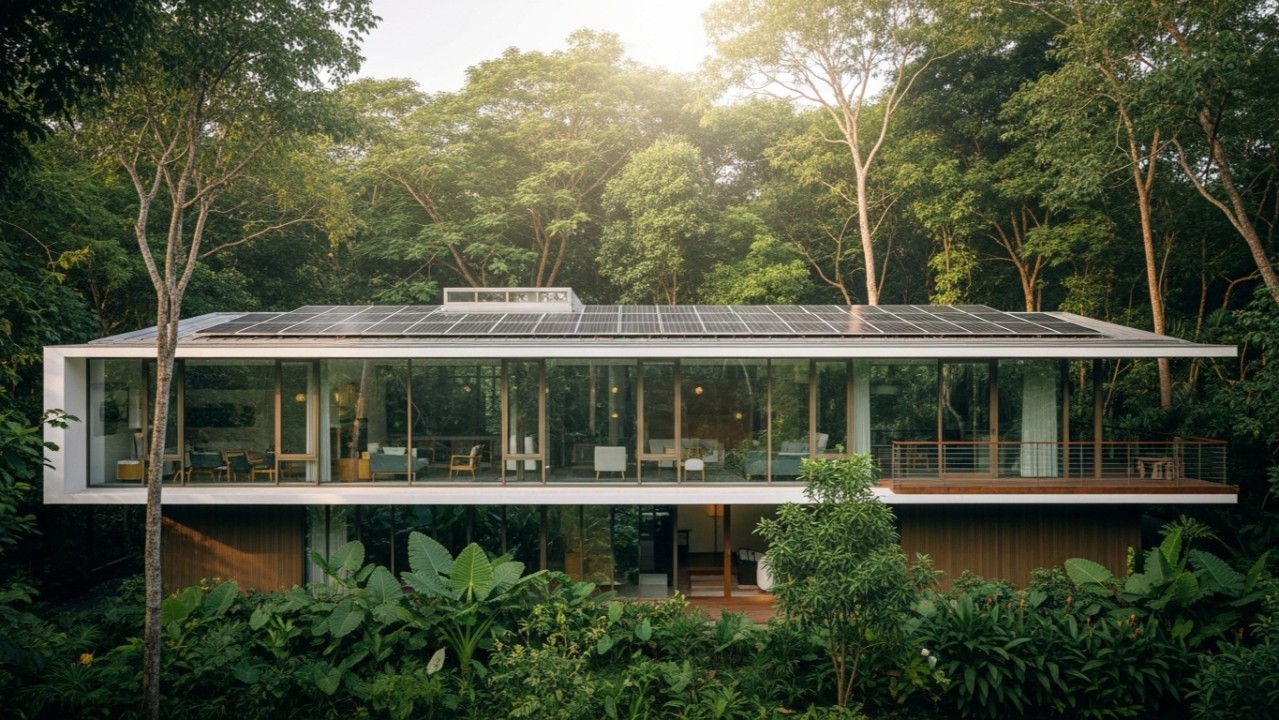
In today’s rapidly evolving world, energy efficiency is no longer just a trend—it’s a necessity. With rising energy costs, environmental concerns, and increasing awareness about sustainable living, optimizing energy use in homes has become a priority for homeowners, architects, and designers alike. A well-designed, energy-efficient home not only reduces utility bills but also enhances comfort, durability, and long-term value.
This guide explores practical and effective ways to improve home energy efficiency, combining design strategies, technology, and smart lifestyle choices.
1. Optimize Building Orientation and Design

Energy efficiency begins at the design stage. The orientation of a home plays a crucial role in determining how much natural light and heat it receives.
- Position living areas to maximize daylight and reduce artificial lighting needs
- Use shading devices like overhangs or louvers to control heat gain
- Incorporate cross-ventilation to reduce dependency on air conditioning
A thoughtfully planned layout can significantly lower energy consumption without compromising comfort.
2. Improve Insulation and Thermal Performance
Proper insulation acts as a barrier against unwanted heat gain or loss.
- Insulate walls, roofs, and floors to maintain indoor temperature
- Use materials with high thermal resistance (R-value)
- Seal gaps around doors and windows to prevent air leakage
Good insulation reduces the need for heating and cooling systems, leading to consistent indoor temperatures throughout the year.
3. Upgrade to Energy-Efficient Windows and Doors

Windows and doors are critical points of energy exchange.
- Install double-glazed or low-emissivity (Low-E) glass
- Use airtight frames to minimize air infiltration
- Add curtains, blinds, or films for additional insulation
Efficient fenestration systems help maintain indoor comfort while reducing energy loss.
4. Use Energy-Efficient Lighting

Lighting accounts for a significant portion of household electricity usage.
- Replace traditional bulbs with LED lighting
- Utilize natural daylight wherever possible
- Install motion sensors and dimmers to avoid unnecessary usage
Energy-efficient lighting not only saves electricity but also enhances the ambiance of spaces.
5. Invest in Energy-Efficient Appliances

Modern appliances are designed to consume less energy while delivering better performance.
- Choose appliances with high energy ratings
- Opt for inverter technology in air conditioners and refrigerators
- Regularly maintain appliances to ensure optimal efficiency
Though the initial investment may be higher, the long-term savings are substantial.
6. Integrate Renewable Energy Sources

Incorporating renewable energy systems is one of the most impactful steps toward sustainability.
- Install solar panels to generate electricity
- Use solar water heaters for daily needs
- Explore hybrid systems for greater efficiency
Renewable energy reduces dependence on conventional power sources and lowers carbon footprint.
7. Implement Smart Home Technology

Technology can play a major role in managing energy consumption.
- Use smart thermostats to regulate temperature efficiently
- Install automated lighting and appliance controls
- Monitor energy usage through smart meters
Smart systems allow homeowners to optimize energy use based on real-time needs.
8. Enhance Natural Ventilation

Reducing reliance on mechanical cooling systems is key to energy efficiency.
- Design openings for effective airflow
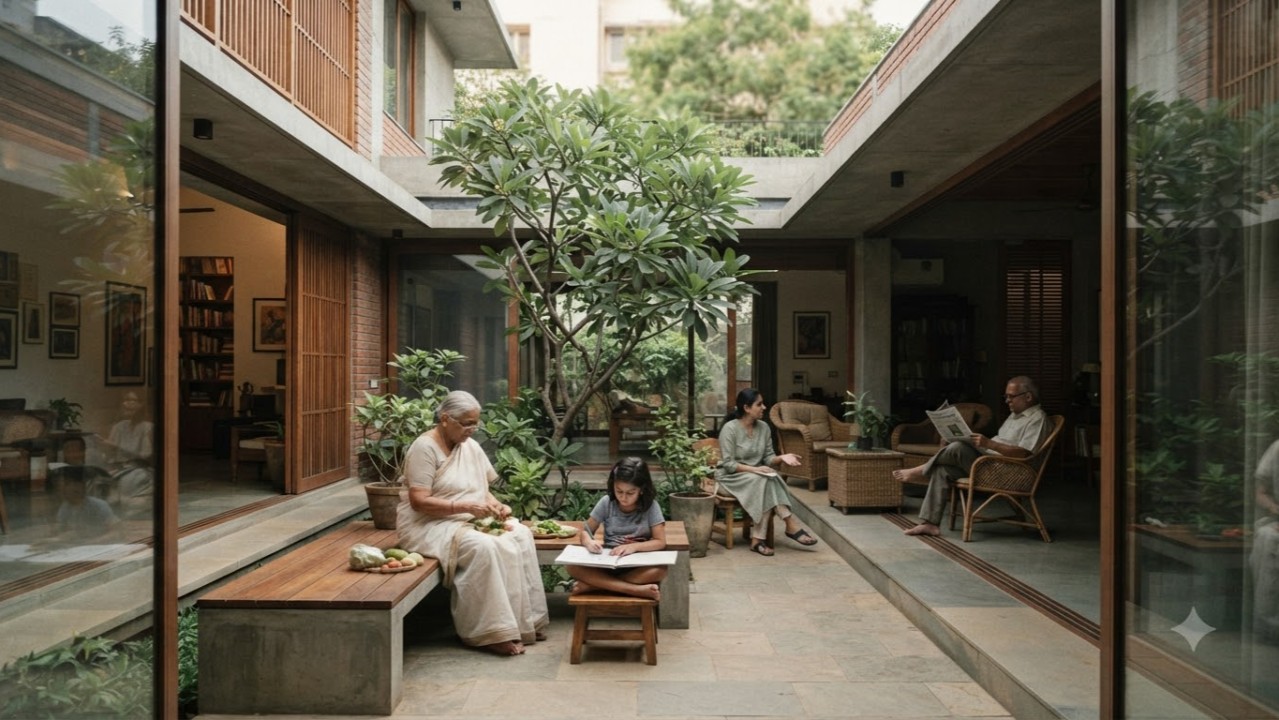
- Use ventilated roofs and courtyards
- Incorporate stack ventilation principles
Natural ventilation not only saves energy but also improves indoor air quality.
9. Adopt Water Heating Efficiency

Water heating is another major contributor to energy use.
- Use energy-efficient geysers or solar heaters
- Insulate hot water pipes
- Reduce unnecessary hot water usage
Efficient water heating systems can significantly cut down energy consumption.
10. Practice Energy-Conscious Living

Even the most efficient home requires mindful usage.
- Turn off appliances when not in use
- Use natural light during the day
- Limit excessive use of heating and cooling systems
Small behavioral changes can collectively make a big difference.
Boosting home energy efficiency is a combination of intelligent design, advanced technology, and responsible usage. Whether you are designing a new home or upgrading an existing one, adopting these strategies can lead to long-term savings, improved comfort, and a reduced environmental impact.
In the future of architecture and living, energy efficiency will not be optional—it will be fundamental. A well-designed, energy-conscious home is not just sustainable, but also a reflection of thoughtful and responsible living.