In today’s evolving professional landscape, office design is no longer confined to visual appeal alone. It has transformed into a strategic tool that influences productivity, employee well-being, and organizational culture. At the core of impactful workplace design lies a timeless principle—spaces must not only look good but also perform efficiently. This balance between aesthetics and functionality defines the success of modern office environments.
The Philosophy Behind Effective Office Design

The concept that design should be driven by purpose has long guided architecture and interior planning. The idea that “form follows function” emphasizes that the physical layout and visual identity of a space should emerge from its intended use.
In the context of office design, this translates into creating environments that respond to how people actually work—supporting collaboration, focus, movement, and innovation. A well-designed office is not just visually compelling; it is intuitive, efficient, and aligned with user needs.
Functionality as the Foundation

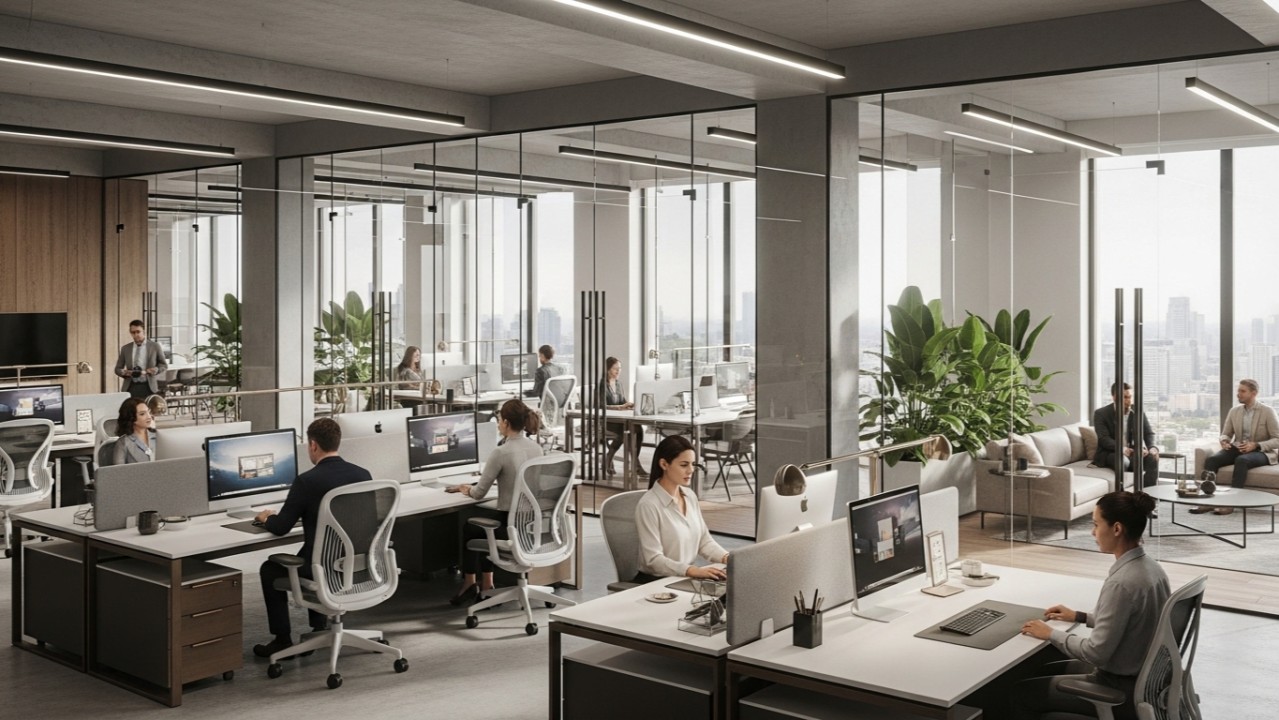
Every high-performing office begins with a clear understanding of functionality. The layout should facilitate seamless movement, logical zoning, and accessibility. Open-plan areas, for instance, encourage communication and teamwork, while designated quiet zones support focused tasks.
An effective workspace is one where every element serves a purpose—whether it is furniture placement, circulation paths, or spatial hierarchy. When functionality is prioritized, the design naturally evolves into a form that feels both purposeful and refined.
The Role of Aesthetics in Workplace Experience

While function forms the backbone, aesthetics shape the emotional and psychological experience of a workspace. Clean lines, balanced proportions, and thoughtful material selection contribute to an environment that feels modern and inspiring.
Minimalist design approaches, often seen in contemporary architecture, eliminate unnecessary elements and highlight clarity and efficiency. This not only enhances visual appeal but also improves usability by reducing clutter and distraction. A visually engaging office can influence mood, creativity, and overall satisfaction, making aesthetics a critical component rather than a superficial addition.
Ergonomics and Human-Centric Design

A truly effective office design prioritizes the people who use it. Ergonomics plays a vital role in ensuring comfort, reducing fatigue, and enhancing productivity. From adjustable seating to intuitive spatial arrangements, every detail should support natural human interaction with the environment.
Designing with human comfort in mind transforms everyday elements into meaningful experiences. When spaces are intuitive and comfortable, they foster efficiency and long-term well-being.
Flexibility and Adaptability

Modern workplaces demand flexibility. As work styles evolve, offices must be able to adapt to changing needs. Modular layouts, multi-functional spaces, and scalable design solutions allow organizations to remain agile.
Flexible environments enable employees to choose how and where they work—whether in collaborative zones, private workstations, or informal breakout areas. This adaptability enhances both productivity and employee satisfaction.
The Importance of Natural Elements

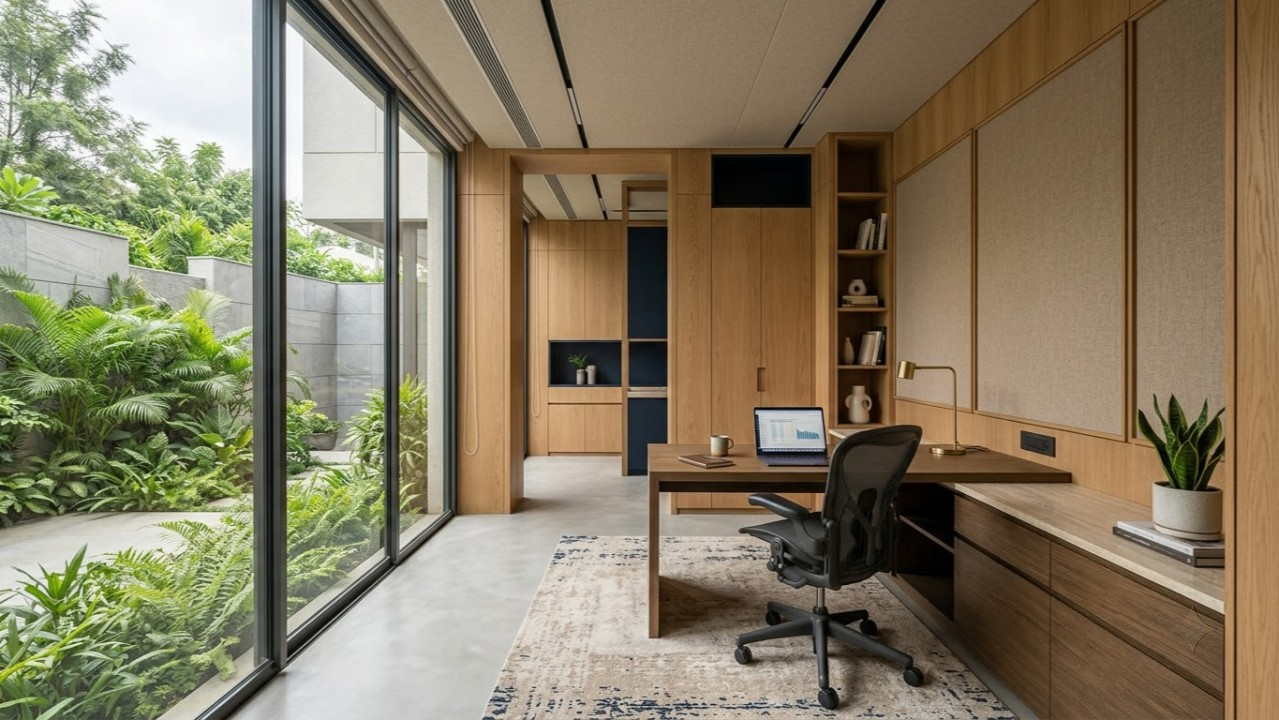
Incorporating natural light, ventilation, and biophilic elements significantly improves workplace quality. Access to daylight, for example, not only enhances visual comfort but also supports cognitive function and well-being.
Spaces that integrate natural elements tend to feel more open, energetic, and conducive to creative thinking. These features bridge the gap between functionality and experiential quality, making offices more human-centric.
Material Innovation and Sustainability

Contemporary office design increasingly integrates advanced materials and sustainable practices. From energy-efficient systems to environmentally responsible materials, these choices contribute to both performance and long-term value.
Sustainable design is not just an environmental responsibility—it is also a functional strategy that enhances efficiency, reduces operational costs, and improves occupant comfort.
Creating a Cohesive Workplace Identity

An office is a physical representation of a brand. Design elements such as color schemes, spatial organization, and material finishes should align with the company’s identity and values.
A cohesive design narrative ensures that the workspace communicates professionalism, innovation, and purpose. It strengthens brand perception while creating a memorable experience for employees and visitors alike.

High-impact office design is the result of a thoughtful integration of form and function. It is not about choosing between aesthetics and practicality, but about aligning the two to create spaces that perform as beautifully as they look.
By focusing on functionality, enhancing user experience, and embracing innovation, modern workplaces can go beyond traditional design approaches. They become dynamic environments that support productivity, inspire creativity, and reflect the evolving nature of work.
Ultimately, the most successful office spaces are those that are designed with intention—where every element serves a purpose and contributes to a holistic, engaging experience.