Sustainability in architecture is often presented through visible things: solar panels on rooftops, green façades, energy-efficient glass, rainwater harvesting systems, or smart building controls.
All of these have an important role to play.
But there is another question we don’t ask often enough:
What if the most sustainable building is simply the one that continues to serve people well for generations?

Because every building has an environmental cost.
Materials have to be extracted. Energy is consumed during manufacturing. Products are transported. Land is transformed. Buildings require construction, maintenance, renovation and, eventually, demolition.
So perhaps the most powerful sustainable decision an architect can make isn’t what to add to a building.
It is deciding what makes the building worth keeping.
Sustainability Begins With Longevity:

A building designed to last 20 years and one designed to remain useful for 80 years may look similar on the day they are completed.
Their environmental impact over time, however, can be very different.
Longevity is not simply about structural strength. A building can remain physically standing while becoming functionally obsolete.
True longevity means designing buildings that can adapt.
Families change. Businesses change. Technology changes. Cities change. Climate conditions change. The way we use space today may not be the way we use it twenty years from now.
Architecture that anticipates this change has a greater chance of surviving it.
That means designing structures with flexibility in planning, accessibility to services, adaptable spaces and materials that can be maintained rather than constantly replaced.
The longer a building remains useful, the longer we delay the environmental cost of replacing it.
The Problem With Designing Only for Today

Architecture often responds to the immediate brief.
A client asks for a particular number of rooms. A developer wants a particular configuration. A business needs a particular workplace.
And the architect solves the problem.
But good architecture should ask one more question:
What happens when the brief changes?
A bedroom may eventually become a study.
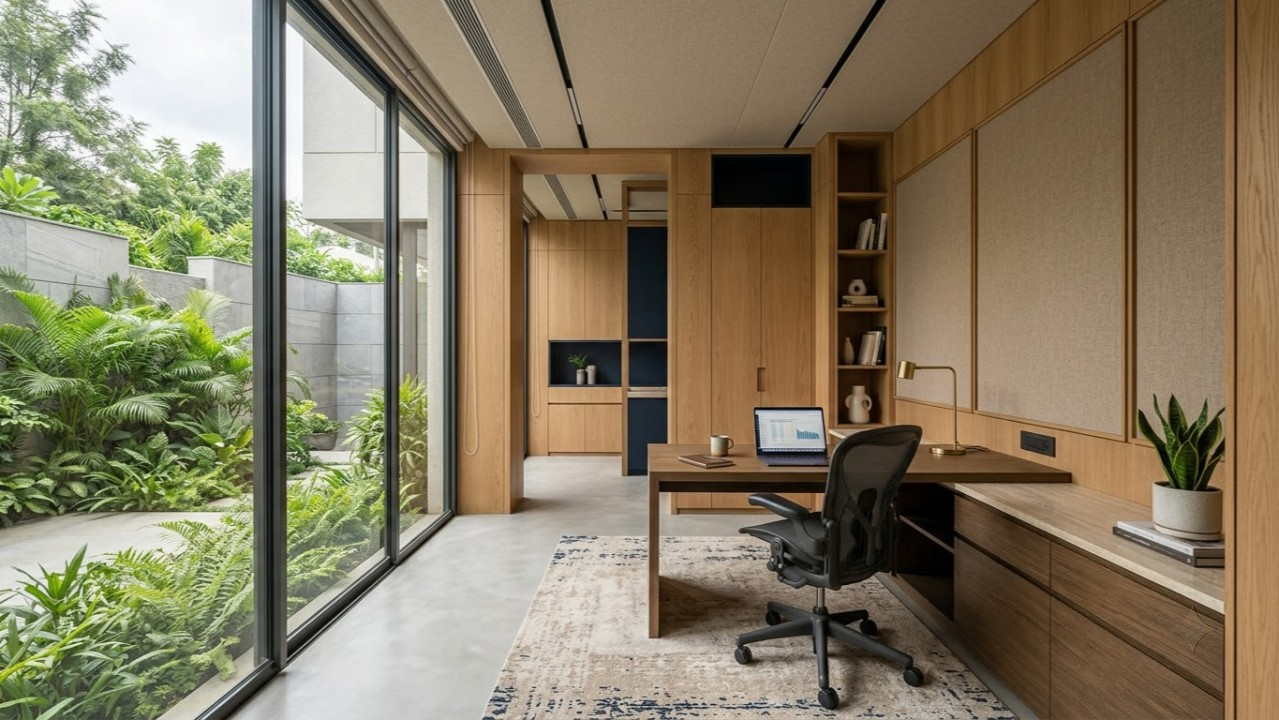
An office may become a studio.
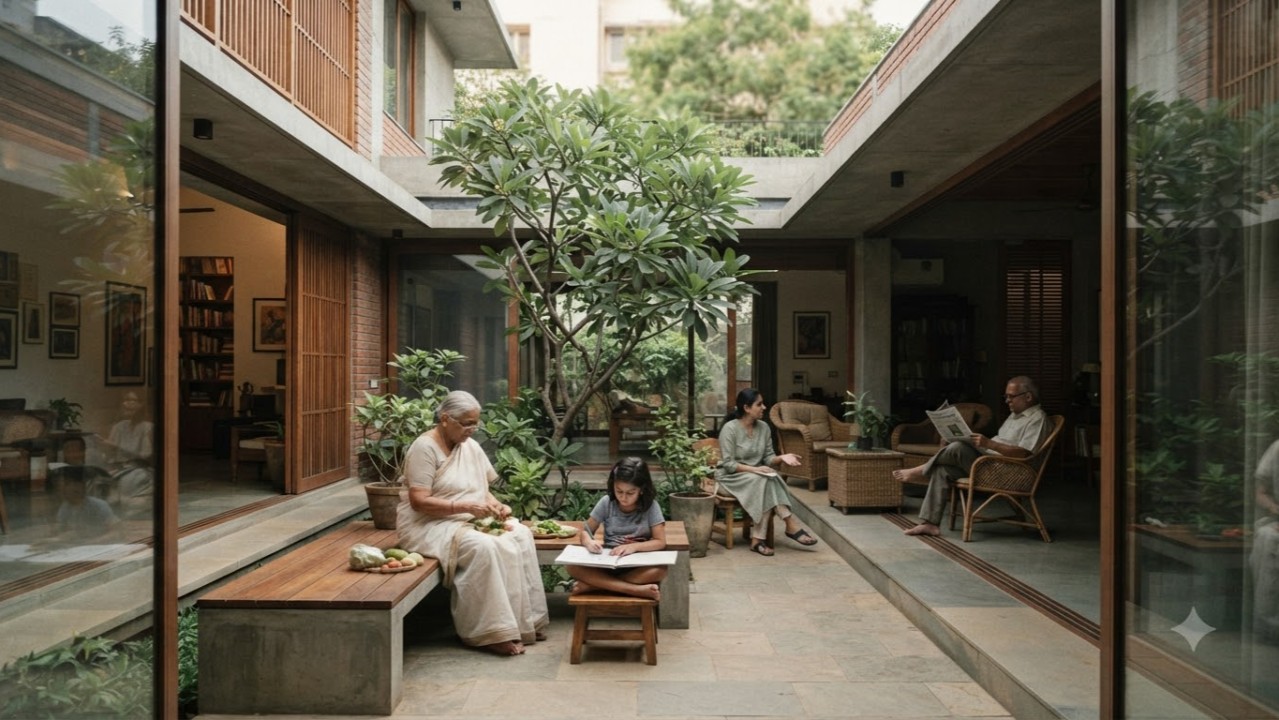
A large apartment may need to accommodate another generation.
A commercial building may need to support an entirely different business.
If the architecture cannot accommodate these changes, its useful life can become shorter than its physical life.
Adaptability therefore becomes a form of sustainability.
Instead of demolishing and rebuilding, we modify.
Instead of replacing an entire system, we upgrade it.
Instead of treating change as a failure of the original design, we make change part of the design itself.
Timelessness Is Also Sustainable

There is another dimension to longevity that is rarely discussed:
How a building ages visually.
Architecture can be technically durable and still feel outdated.
When buildings are designed around short-lived trends, they can quickly become victims of their own time.
A timeless building does not depend entirely on fashion.
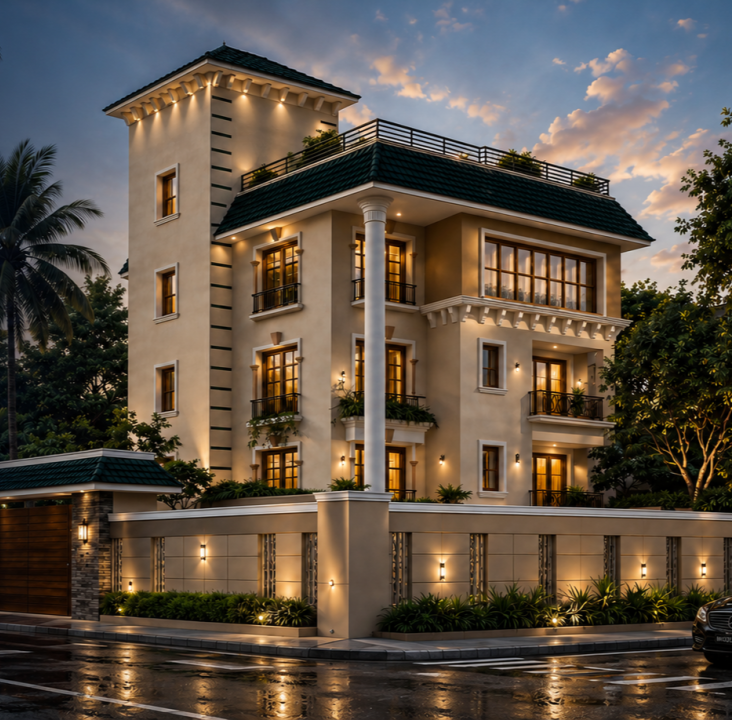
It relies on proportion, natural materials, thoughtful detailing, appropriate scale, light, landscape and a strong relationship with its surroundings.
This does not mean architecture should be boring.
It means it should have enough depth to remain relevant after the trend disappears.
A building that still feels appropriate decades later doesn’t constantly demand cosmetic reinvention.
And every avoided renovation means fewer materials manufactured, transported, installed and eventually discarded.
Timeless design is therefore not only an aesthetic choice. It can be an environmental strategy.
Technology Should Support Architecture — Not Replace It

This does not mean green technology is unnecessary.
Solar energy, efficient HVAC systems, intelligent controls, high-performance façades, water-management systems and renewable materials can significantly improve building performance.
But technology alone cannot make an unsustainable building sustainable.
A poorly oriented building covered with solar panels is still poorly oriented.
A building that depends heavily on mechanical cooling because it ignores climate-responsive design has already missed an opportunity.
A building that requires constant replacement of finishes because they were selected for appearance rather than durability is creating another sustainability problem.
Technology should enhance good architecture.
It should not compensate indefinitely for poor decisions made at the beginning.
The Most Sustainable Material May Be the Material You Don’t Replace

We often ask:
Which material is the greenest?
Perhaps we should also ask:
How many times will I have to replace it?
A material that lasts decades, ages gracefully and can be repaired may have a very different environmental story from one that looks sustainable on a specification sheet but needs frequent replacement.
The same principle applies to entire building systems.
Durability.
Repairability.
Maintainability.
Adaptability.
These are not glamorous words.
But they may be among the most important words in sustainable architecture.
Designing for the Next Generation

Perhaps architects need to think beyond the handover date.
The real test of architecture isn’t necessarily how impressive a building looks when it is photographed on completion.
It is what happens after the photographs are gone.
Does the building remain comfortable?
Does it remain useful?
Can it adapt?
Can its systems be maintained?
Can its spaces accommodate changing lifestyles?
Does it age with dignity?
Does the next generation see value in keeping it?
These questions shift sustainability from a checklist into a long-term responsibility.
Sustainability Is a Timeline, Not a Feature
We often describe sustainable buildings through features.
Solar panels.
Green roofs.
Efficient lighting.
Water recycling.
But sustainability is bigger than a collection of features.
It is a relationship between time, people, resources and place.
A building that consumes less energy today is valuable.
A building that continues performing well for decades is even more valuable.
A building that can adapt instead of being demolished is more valuable still.
And a building that people genuinely want to preserve may be one of the most sustainable outcomes architecture can create.
Because the greenest building intervention may sometimes be remarkably simple:
Don’t replace what can be retained.
Don’t demolish what can be adapted.
Don’t design for a moment when you can design for generations.
The future of sustainable architecture may therefore depend not only on how efficiently we build, but on how long we can make what we build remain worth keeping.
Because the most sustainable building may not be the one with the most technology.
It may be the one we never have to rebuild.