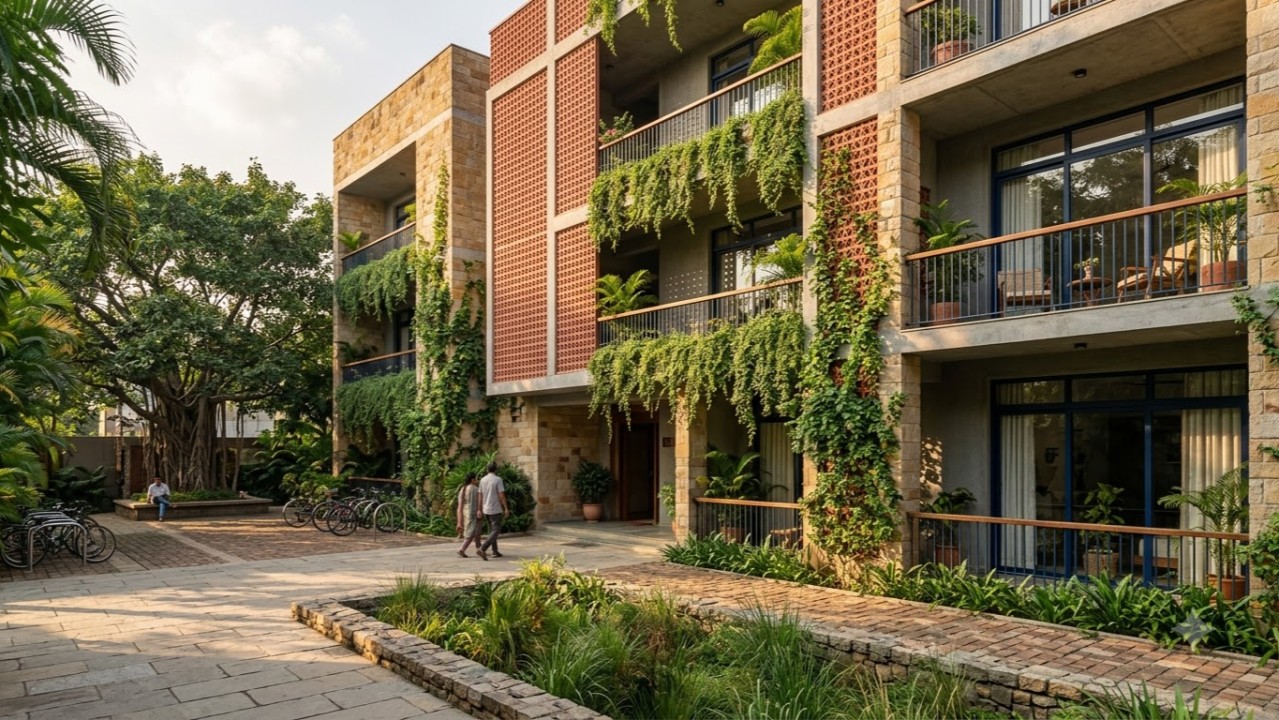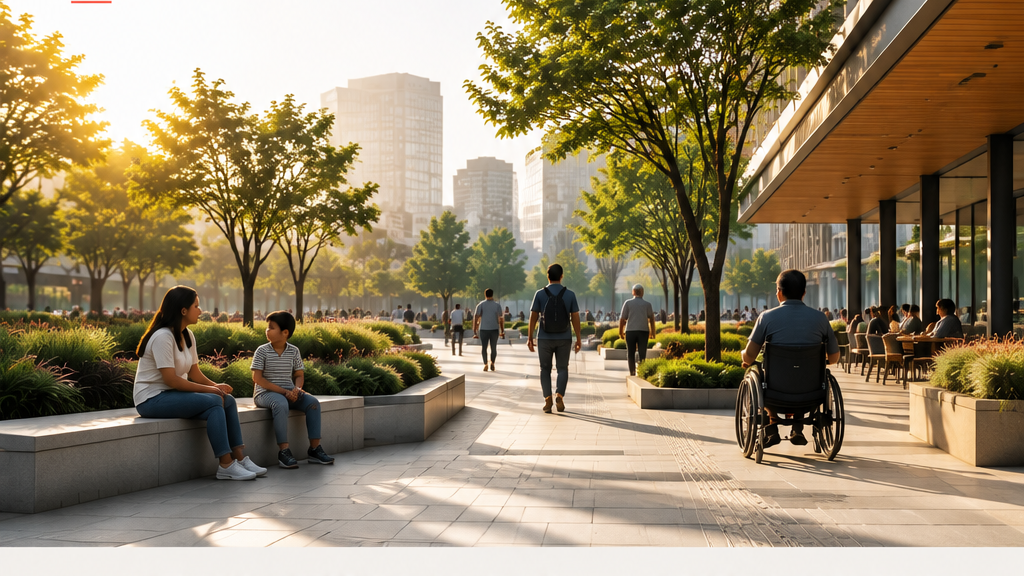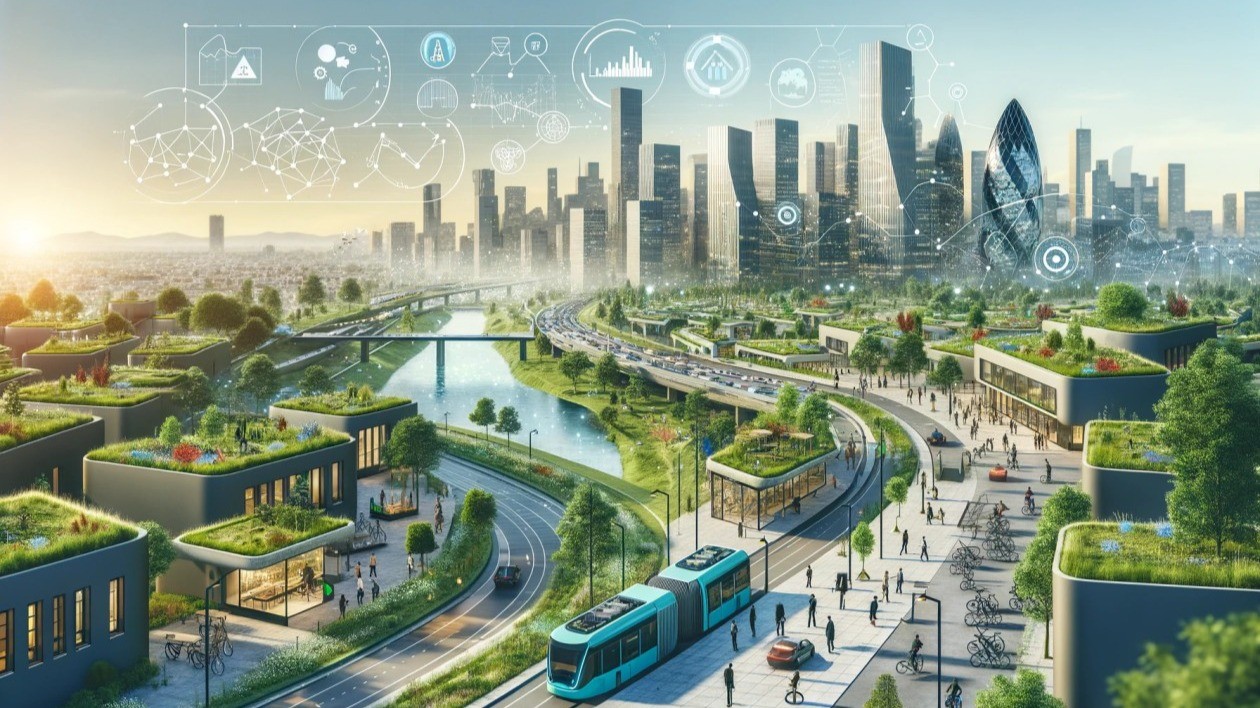
India is at a defining moment in its Sustainable Urban Development journey. With one of the fastest-growing urban populations in the world, the country is witnessing an unprecedented transformation of its cities and towns. Every year, millions of people move to urban areas in search of better employment opportunities, quality education, advanced healthcare, and an improved standard of living. This rapid migration is driving massive investments in housing, commercial developments, transportation networks, industrial corridors, and public infrastructure. While urbanization is creating enormous economic opportunities, it is also placing tremendous pressure on natural resources, existing infrastructure, and the environment.
Indian cities are increasingly grappling with challenges such as traffic congestion, air pollution, water scarcity, unmanaged waste, rising energy demand, shrinking green spaces, urban flooding, and the growing impact of climate change. Heatwaves are becoming more frequent, rainfall patterns are more unpredictable, and the urban heat island effect is making cities significantly warmer than surrounding rural areas. Traditional models of urban expansion, focused primarily on accommodating population growth, are no longer sufficient to address these interconnected challenges.
The future of India’s cities depends on a new approach—one that balances economic development with environmental sustainability, social inclusion, and technological innovation. Sustainable urban development is not simply about constructing green buildings; it involves creating integrated urban ecosystems where transportation, housing, energy, water, waste management, public spaces, biodiversity, and digital infrastructure work together to enhance the quality of life while minimizing environmental impact.
Architects, urban planners, engineers, developers, policymakers, and local communities all have a critical role to play in shaping this future. Through climate-responsive architecture, renewable energy integration, Building Information Modeling (BIM), Artificial Intelligence (AI), smart infrastructure, and nature-based solutions, India has the opportunity to build cities that are resilient, resource-efficient, and capable of supporting future generations.
As global attention shifts toward sustainable development and net-zero carbon goals, India is uniquely positioned to become a leader in designing cities that combine economic growth with environmental responsibility. This blog explores the future of sustainable urban development in India, highlighting emerging trends, innovative technologies, key challenges, and the strategies that will define the next generation of Indian cities.
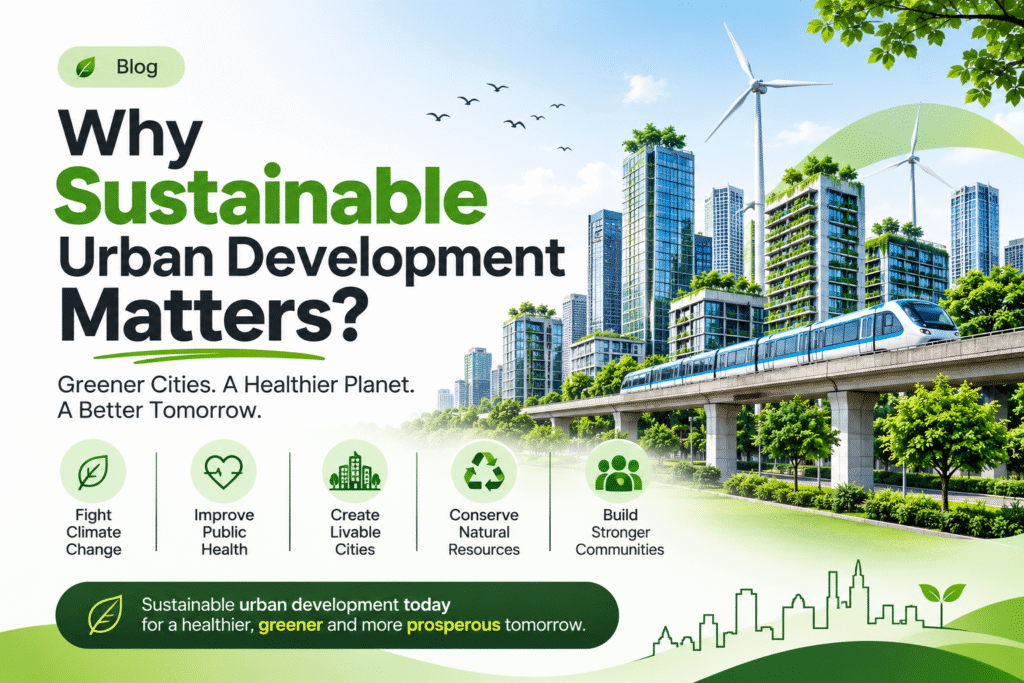
Why Sustainable Urban Development Matters
Urban areas occupy a relatively small portion of the Earth’s land surface but consume a large share of global energy, water, and natural resources. They are also major contributors to greenhouse gas emissions.
For India, sustainable urban development is essential because it helps:
- Reduce pollution
- Improve public health
- Enhance resource efficiency
- Lower carbon emissions
- Increase climate resilience
- Support economic growth
- Improve quality of life
Without sustainable planning, rapid urbanization could lead to greater environmental degradation and infrastructure stress.
- Smart Cities Will Define Urban Growth
Technology will play a central role in managing future cities.
Smart cities integrate digital solutions such as:
- Intelligent traffic management
- Smart street lighting
- Digital public services
- Environmental monitoring
- Smart parking
- Real-time infrastructure management
- Public safety systems
These technologies improve efficiency while reducing energy and resource consumption.
- Green Buildings Will Become the Urban Standard
Buildings account for a significant portion of urban energy use.
Future developments will increasingly prioritize:
- Net-zero buildings
- Passive design
- High-performance insulation
- Solar energy integration
- Green roofs
- Water-efficient systems
- Sustainable construction materials
Green buildings reduce operational costs while improving occupant comfort and environmental performance.
- Transit-Oriented Development (TOD)
Future urban planning will reduce dependence on private vehicles by encouraging compact, connected communities.
Key features include:
- Mixed-use neighborhoods
- Walkable streets
- Dedicated cycling lanes
- Metro and bus connectivity
- Public transport hubs
- Reduced parking dependency
Transit-oriented development lowers emissions while creating more livable cities.
- Renewable Energy Will Power Urban Infrastructure
India has immense potential for renewable energy, particularly solar power.
Future cities will integrate:
- Rooftop solar panels
- Solar-powered public lighting
- Battery energy storage
- Smart electrical grids
- Electric vehicle charging stations
Renewable energy will reduce dependence on fossil fuels while enhancing energy security.
- Water-Sensitive Urban Design
Water management will become increasingly important due to climate change and urban expansion.
Future developments will incorporate:
- Rainwater harvesting
- Greywater recycling
- Permeable pavements
- Bioswales
- Stormwater detention systems
- Wetland conservation
These measures improve water security while reducing urban flooding.
- Circular Economy and Waste Management
The future of urban development will emphasize minimizing waste and maximizing resource recovery.
Sustainable practices include:
- Source segregation
- Recycling infrastructure
- Composting organic waste
- Construction waste reuse
- Waste-to-energy technologies
- Circular material flows
A circular economy reduces landfill use and conserves valuable resources.
- Climate-Responsive Architecture
Buildings designed for local climatic conditions require less energy and provide greater comfort.
Climate-responsive architecture incorporates:
- Passive cooling
- Natural ventilation
- Solar shading
- Local materials
- Courtyards
- Green roofs
These strategies reduce operational energy demand and improve resilience to extreme weather.
- Expanding Green Infrastructure
Green infrastructure plays a vital role in creating healthier urban environments.
Future cities will feature:
- Urban forests
- Community parks
- Green corridors
- Vertical gardens
- Rooftop vegetation
- Biodiversity zones
Green spaces improve air quality, lower temperatures, and support mental well-being.
- Artificial Intelligence in Urban Planning
AI is transforming the way cities are planned and managed.
Applications include:
- Traffic optimization
- Energy management
- Infrastructure planning
- Disaster prediction
- Waste collection optimization
- Environmental monitoring
AI enables more efficient and data-driven decision-making.
- Building Information Modeling (BIM)
BIM is becoming a critical tool for sustainable urban development.
It enables project teams to:
- Coordinate designs
- Simulate energy performance
- Reduce construction waste
- Optimize materials
- Improve lifecycle management
BIM supports smarter planning and more sustainable infrastructure.
- Climate-Resilient Infrastructure
Climate resilience will become a defining characteristic of future cities.
Strategies include:
- Flood-resistant roads
- Heat-resistant construction materials
- Resilient drainage systems
- Coastal protection
- Emergency response infrastructure
- Disaster-resistant public facilities
These investments reduce long-term economic and social risks.
- Affordable and Inclusive Housing
Sustainable development must also address social equity.
Future housing projects will emphasize:
- Energy-efficient affordable homes
- Mixed-income communities
- Accessible public services
- Sustainable neighborhoods
- Community participation
Inclusive development ensures that sustainability benefits all citizens.
Emerging Technologies Transforming Cities
Future Indian cities will increasingly integrate:
Artificial Intelligence (AI)
Optimizes infrastructure, mobility, and energy systems.
Internet of Things (IoT)
Connects buildings and infrastructure through smart sensors.
Digital Twins
Creates virtual city models for real-time performance monitoring.
Geographic Information Systems (GIS)
Supports land-use planning and environmental management.
Autonomous Mobility
Improves transportation efficiency while reducing congestion.
Benefits of Sustainable Urban Development
Environmental Benefits
- Reduced carbon emissions
- Cleaner air
- Better water conservation
- Increased biodiversity
- Lower resource consumption
Economic Benefits
- Lower infrastructure costs
- Increased investment
- Higher property values
- Job creation in green industries
Social Benefits
- Improved public health
- Better transportation
- Greater community resilience
- Enhanced quality of life
Challenges Ahead
India’s transition toward sustainable cities faces several obstacles.
Rapid Population Growth
Urban infrastructure must expand quickly while remaining sustainable.
Funding
Large-scale green infrastructure requires substantial investment.
Policy Coordination
Effective governance across multiple agencies remains essential.
Public Awareness
Citizen participation is necessary for long-term success.
Climate Uncertainty
Cities must prepare for increasingly unpredictable environmental conditions.
The Future Vision for Indian Cities
The cities of tomorrow will increasingly be:
- Carbon-neutral
- Climate-resilient
- Digitally connected
- Energy-efficient
- Walkable
- Inclusive
- Water-sensitive
- Biodiversity-friendly
These cities will integrate technology with nature to create healthier and more sustainable urban environments.
Conclusion
The future of sustainable urban development in India will be shaped by the choices made today. As cities continue to expand, the challenge is no longer simply to accommodate population growth but to create urban environments that are resilient, resource-efficient, and capable of improving the quality of life for everyone. Sustainable development requires a holistic approach that integrates green buildings, renewable energy, efficient transportation, water conservation, digital technologies, climate-responsive architecture, and inclusive planning into every stage of urban growth.
Emerging technologies such as Artificial Intelligence, Building Information Modeling (BIM), Digital Twins, and the Internet of Things are enabling smarter decision-making, while traditional principles of climate-responsive design continue to offer valuable solutions for local environmental conditions. Together, these innovations provide an opportunity to create cities that are not only technologically advanced but also environmentally responsible and socially inclusive.
India has the potential to become a global leader in sustainable urbanization by embracing integrated planning, investing in resilient infrastructure, and encouraging collaboration between governments, private developers, architects, engineers, and local communities. Future cities will not be judged solely by their skylines or economic output—they will be evaluated by their ability to conserve resources, withstand climate challenges, support healthy communities, and create lasting value for future generations.
Sustainable urban development is not merely a vision for the future—it is an urgent necessity. By acting today, India can build cities that are smarter, greener, and more resilient, setting a global benchmark for urban development in the twenty-first century.
Frequently Asked Questions (FAQs)
- What is sustainable urban development?
Sustainable urban development is the planning and growth of cities in ways that balance environmental protection, economic development, and social well-being while using resources efficiently.
- Why is sustainable urban development important for India?
Rapid urbanization, climate change, pollution, and infrastructure demands make sustainable planning essential for improving quality of life, conserving resources, and ensuring long-term resilience.
- How do smart cities contribute to sustainability?
Smart cities use digital technologies such as AI, IoT, and smart infrastructure to improve energy efficiency, transportation, waste management, public services, and environmental monitoring.
- What role does BIM play in sustainable urban development?
Building Information Modeling (BIM) helps optimize building design, reduce construction waste, improve energy performance, and support lifecycle management for more sustainable urban infrastructure.
- What are the key features of future sustainable cities in India?
Future cities will emphasize green buildings, renewable energy, public transportation, climate-resilient infrastructure, water conservation, circular waste management, smart technologies, and inclusive urban planning.