“People experience a building long before they understand it.”
The first impression of a building is often formed in just a few seconds. Before anyone notices the floor plan, the structural system, or the quality of finishes, they respond emotionally to what they see and feel. This initial perception influences how the entire space is experienced.
In architecture, first impressions are not accidental—they are carefully designed.
Architecture Begins Before the Entrance

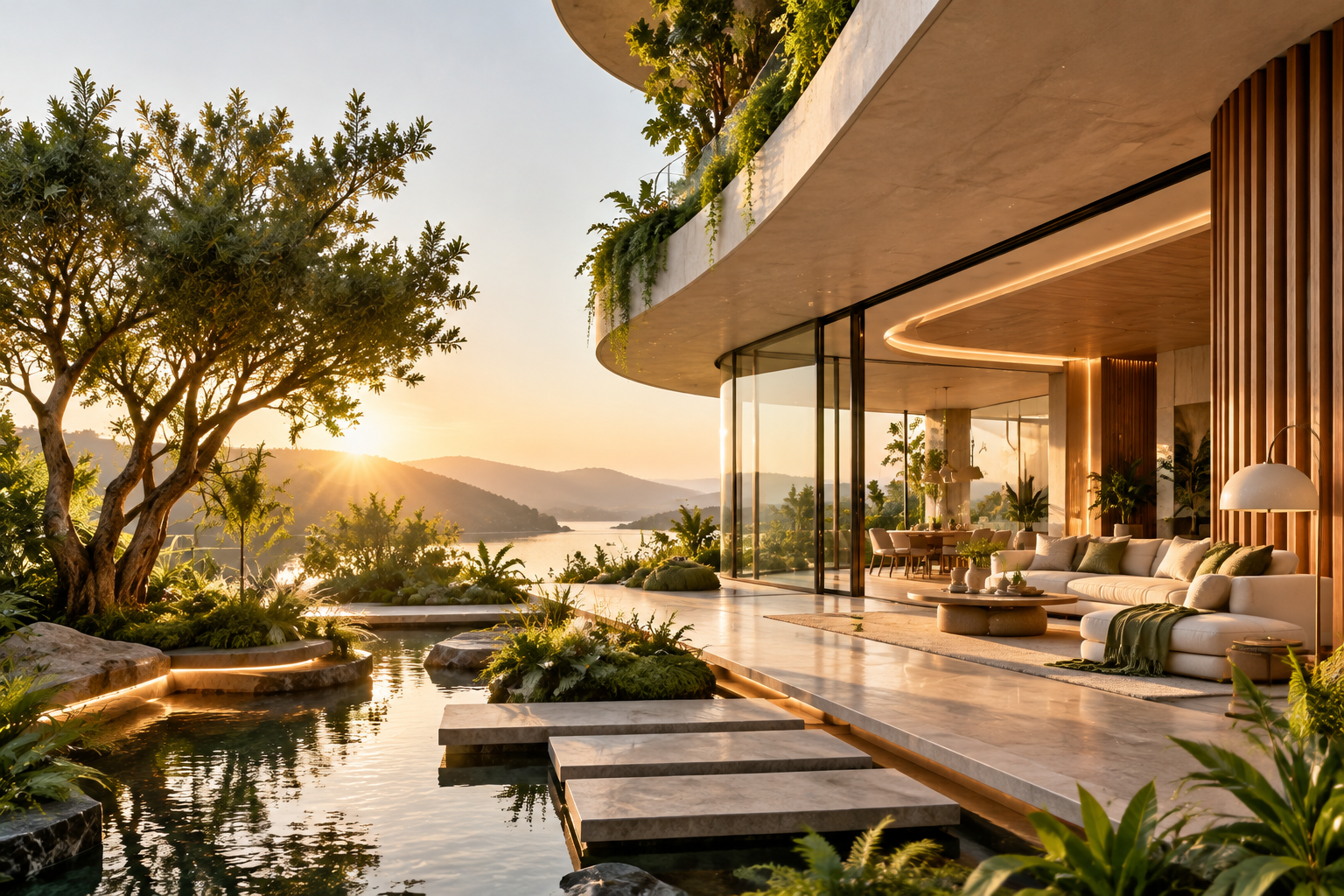
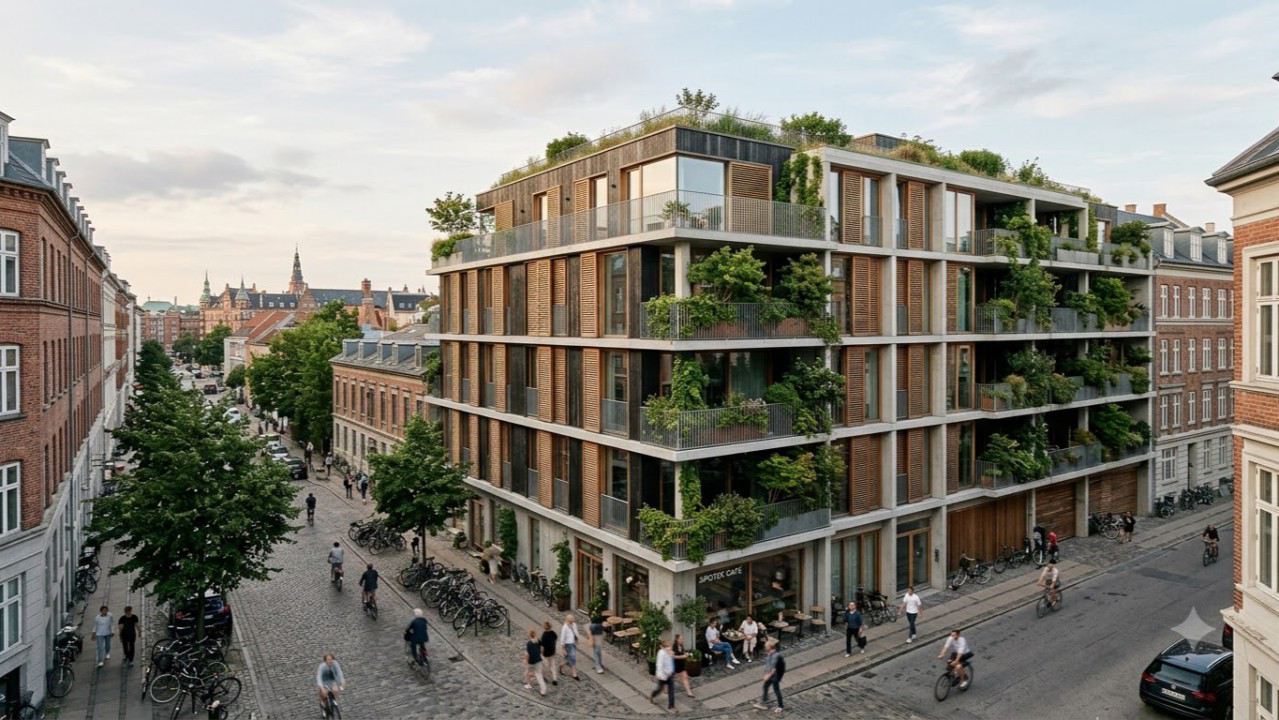
A building starts communicating with its users long before they step inside. The approach road, landscape, façade composition, material palette, proportions, and lighting collectively create an expectation.
A thoughtfully designed arrival sequence builds anticipation. It establishes identity, reflects purpose, and creates a memorable experience.
This is why the exterior of a building should never be treated as a decorative layer. It is the building’s first conversation with its users.
The Psychology Behind First Impressions

Research in environmental psychology suggests that people form opinions about spaces almost instantly. These impressions influence how safe, comfortable, luxurious, or welcoming a place feels.
Elements that contribute to these perceptions include:
– Scale and proportion
– Natural light and shadow
– Material selection
– Landscape integration
– Entrance hierarchy
– Transparency and openness
– Colour and texture
When these elements work together, architecture evokes emotion before a single word is spoken.
The Importance of Arrival Experience

One of the most overlooked aspects of design is the transition from the outside world to the interior.
A well-designed arrival sequence isn’t simply about reaching the entrance—it is about creating a gradual journey.
The pathway, landscape, lighting, canopy, and entrance all guide visitors naturally while reinforcing the character of the building.
Great architecture choreographs this experience with intention.
Details Shape Perception

People may not consciously notice every detail, but they instinctively perceive quality through precision.
Aligned materials, clean junctions, consistent proportions, carefully designed lighting, and refined craftsmanship communicate excellence.
These subtle details often distinguish exceptional architecture from ordinary construction.
Beyond Aesthetics

An impactful first impression should never rely solely on appearance.
It should also reflect how the building performs.
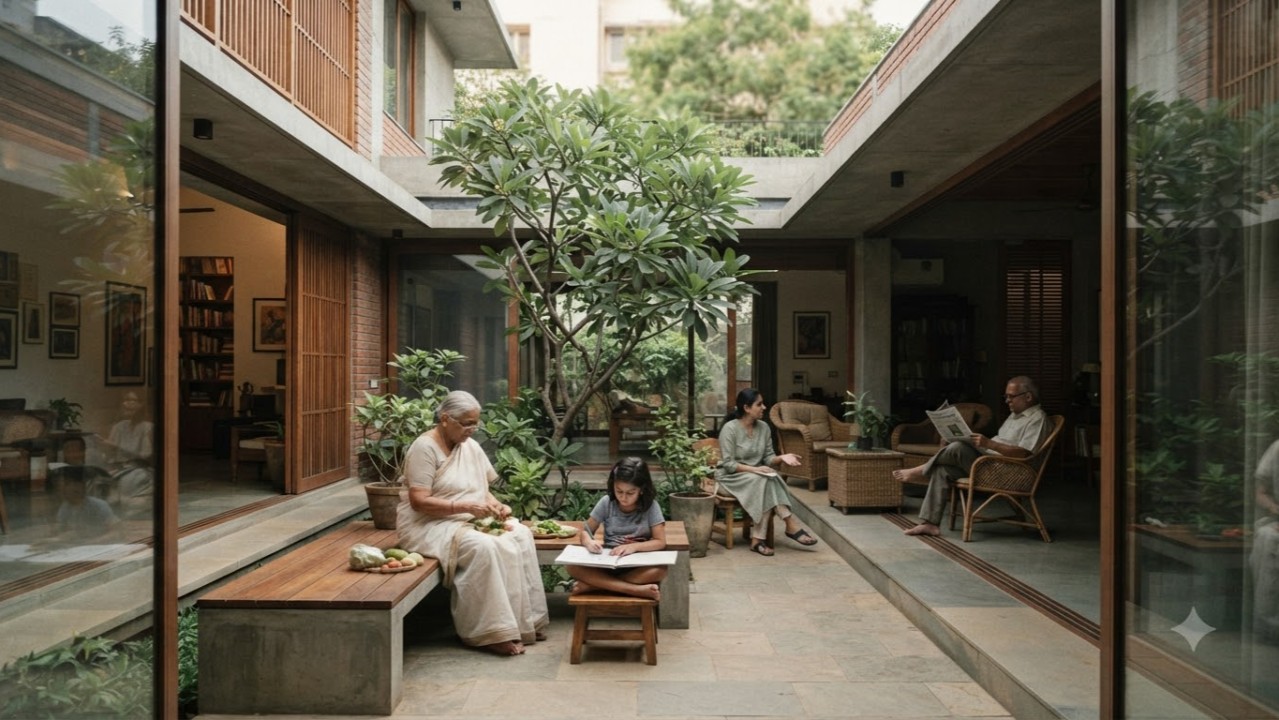
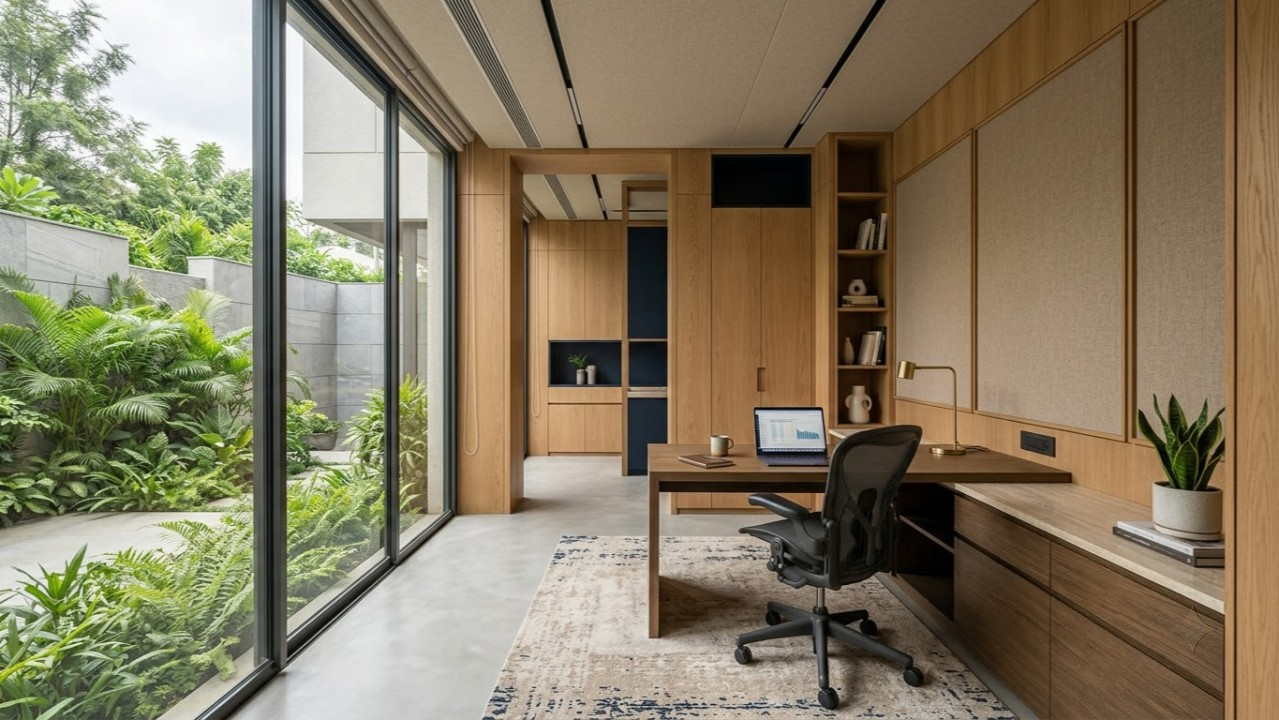
A façade that responds to climate, an entrance that encourages accessibility, landscaping that improves comfort, and spaces filled with natural light all contribute to an experience that is both beautiful and functional.
When architecture balances aesthetics with performance, the first impression becomes lasting.
Designing Memorable Experiences

Today’s buildings are expected to do more than provide shelter. They are expected to inspire confidence, create identity, and enrich everyday life.
Whether designing a private residence, a workplace, a hospitality project, or a public building, the objective remains the same:
Create spaces that people remember—not because they are extravagant, but because they feel effortless, purposeful, and timeless.
The most successful buildings are rarely those that demand attention.
They are the ones that quietly leave a lasting impression.
___________________________________________________________________________________________
What element do you believe has the greatest impact on a building’s first impression—its façade, landscape, materials, lighting, or something else? Share your perspective in the comments.