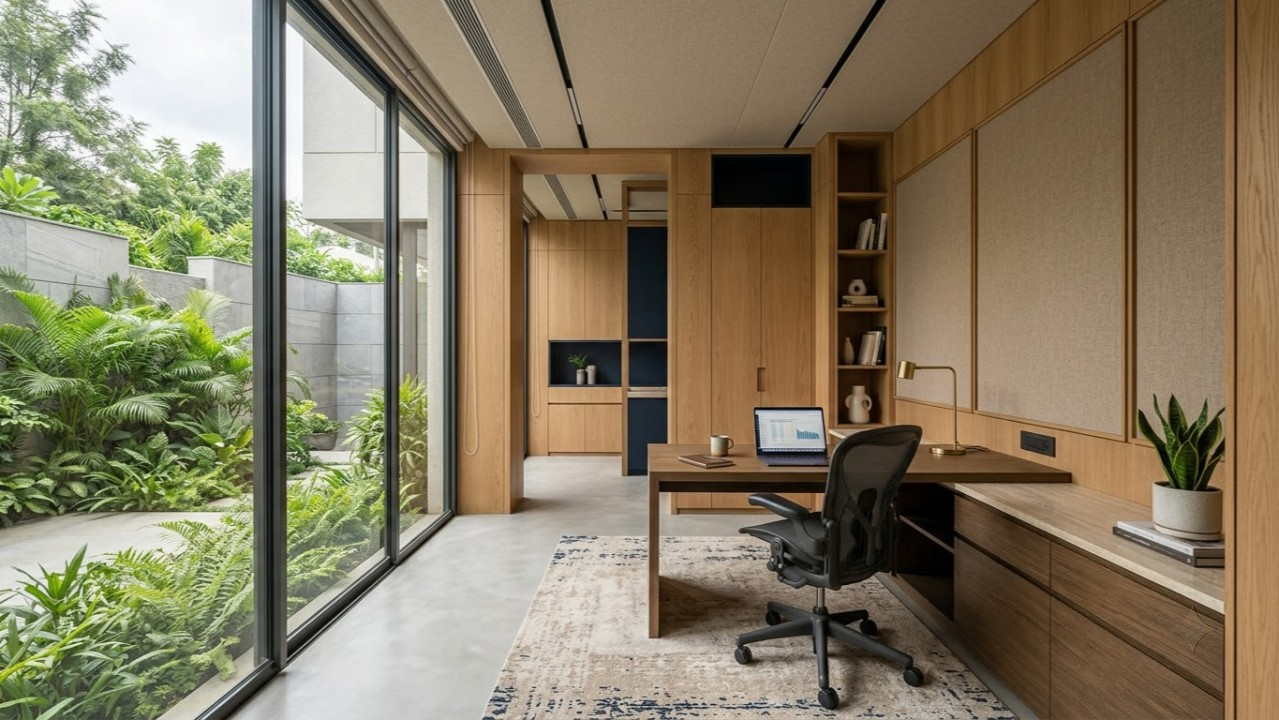
In contemporary building design, fire safety is no longer just a regulatory requirement — it’s also a crucial aspect of aesthetics. Modern fire-rated glass doors accomplish this by seamlessly integrating robust protection with architectural elegance.
1. The Evolution of Fire Doors
For many years, fire doors were purely functional: heavy, opaque, and designed for utility rather than style. These traditional doors often disrupted interior design rather than complementing it. Their bulk and industrial appearance clashed with sleek, modern interiors, making them more of a necessary nuisance than a design asset.
Recent advancements in materials, engineering, and glass technology have completely changed this narrative. Today’s fire-rated doors — especially those incorporating fire-rated glass — offer both high performance and refined aesthetics. These doors are being embraced by architects, designers, and homeowners as safety features that also contribute positively to a building’s visual character.
2. Material Innovation and Finishes
One of the most significant breakthroughs in modern fire-rated door design is the variety of finishes available:
- Timber veneer brings warmth and natural texture, ideal for residential or boutique hospitality settings.
- Brushed or powder-coated metal gives a sleek, industrial-chic look, perfect for corporate offices or minimalist interiors.
- Painted surfaces can be matched to existing color palettes, ensuring unity across the space.
This breadth of options allows fire doors to enhance the design rather than interrupt it. The right finish ensures that the door becomes a harmonious element in the interior narrative.
3. Light, Transparency, and Fire-Rated Glass
Perhaps the most transformative innovation is the use of fire-resistant glazing. In the past, the risk of glass failing in a fire made designers wary of glazed fire doors. But modern fire-rated glass technologies offer:
- High fire-resistance (tested to resist flames, heat, and smoke)
- Transparency that allows natural light to flow through corridors, lobbies, and stairwells
- A sense of openness that enhances wayfinding and occupant comfort
The result is a door that supports life-safety goals while preserving visibility and architectural fluidity.
4. Discreet Hardware and Minimalist Fittings
To maintain clean design lines, modern fire door systems employ refined hardware:
- Slim frames reduce the visual bulk typically associated with fire doors.
- Concealed closers and flush handles eliminate protruding elements, giving doors a flush, integrated appearance.
Such subtle fittings help the door blend almost invisibly into its surroundings — whether it’s a luxury residence, a corporate lobby, or a boutique hotel. The safety components are there, but they don’t detract from the space’s design.
5. Customization for Design Integration
Modern fire-rated glass doors are highly customizable:
- Glass can be etched, frosted, or patterned to reflect brand identity, architectural theme, or interior architecture.
- Frames and panels can come in a variety of colors and textures.
- Designers can tailor the door’s proportions, glazing area, and profile to suit their exact spatial and aesthetic needs.
This means fire-rated doors are not just safety features — they become intentional design elements that contribute to the overall character of the building.
6. Safety Without Sacrificing Style
The evolution of fire-rated glass doors proves that safety does not have to be dull. Thanks to better materials, advanced glazing, and thoughtful hardware design, these doors now serve dual roles:
- They protect life and property by forming fire-resistant barriers.
- They enhance interiors, contributing to architectural narratives, light management, and transparency.
This balance is particularly valuable in modern spaces like hotels, offices, and upscale homes, where design integrity is as important as safety.
7. Technical Performance: How Fire-Rated Glass Doors Work
- Fire-protective mechanisms: Many doors incorporate intumescent strips that expand when heated, sealing gaps to prevent the spread of flames and smoke.
- Self-closing systems: To function properly in a fire event, these doors are often fitted with closers that ensure they remain closed when not in use.
- Inspections and maintenance: Regular checks are essential. Fire-rated doors should be certified, inspected periodically, and any modifications should be done only by the manufacturer or certified professionals to maintain performance.
8. Regulatory and Legal Considerations
Fire-rated glass doors are not just design statements; they are often mandated by building regulations. Their specification must comply with local fire-safety codes, and they must be correctly placed in exit routes, stairwells, or compartmentalized zones to fulfill their protective role. Proper design, installation, and maintenance are critical to ensuring they meet these legal and safety requirements.
9. Long-Term Durability and Performance
To remain effective over time, fire-rated glass doors must be manufactured by trusted vendors who follow rigorous testing procedures. High-quality fire glass is typically tested in certified laboratories to validate resistance to heat, radiant energy, and smoke. In addition, good manufacturers design their doors to withstand routine use, environmental stress, and impacts while maintaining fire performance.
10. Applications and Architectural Impact
Modern fire-rated glass doors are suited to a wide variety of building types:
- Commercial spaces like offices and retail environments benefit from natural light, compartmentalization, and elegant aesthetics.
- High-security buildings, including data centers and control rooms, can combine fire-rated and security glass to deliver both fire protection and impact resistance.
- Public buildings and institutions, such as hospitals or schools, can use these doors to create safe, transparent corridors that guide people even in emergencies.
Conclusion
Modern fire-rated glass doors represent a paradigm shift in building safety. They move beyond being mere regulatory necessities — now, they are design-forward architectural elements that offer protection without compromising on aesthetics. Through advanced glazing, refined hardware, and customizable finishes, these doors reconcile the often competing demands of safety and style.
For architects, designers, and developers who value both form and function, fire-rated glass doors are an elegant solution: they safeguard lives while enhancing the visual and spatial experience of modern buildings.