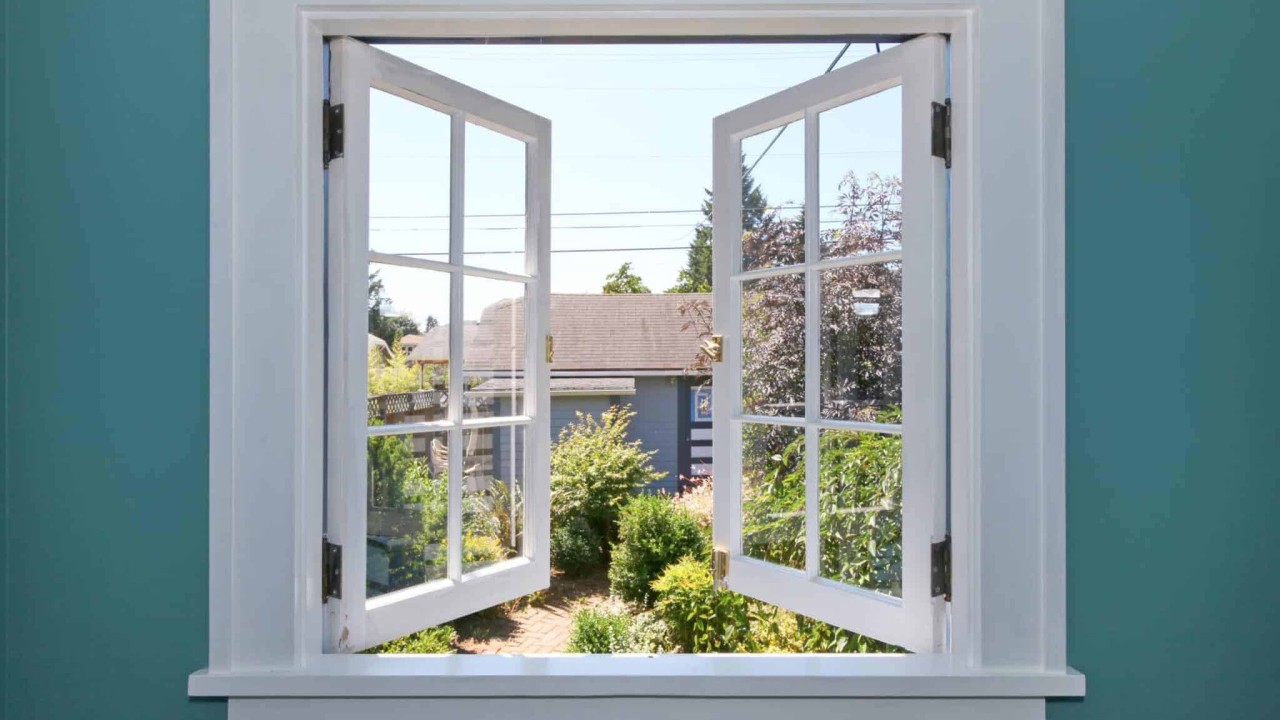
The “sill level height” refers to the vertical distance from the finished floor level up to the bottom of the window sill (i.e., the base of the window opening). This seemingly small dimension plays an outsized role in how a room looks, functions and feels.
Why Choosing the Right window sill level height?
Getting the sill height right is important because:
- If it’s too low, you risk issues with privacy and safety (especially on upper floors).
- If it’s too high, you may lose out on outdoor views, natural light and ventilation.
- The sill height impacts furniture placement (for example, windows with low sills might conflict with headboards or cabinets).
- It influences how the window style works (opening types, ease of use), how air flows, how light enters, and the general comfort of the room.
In short: a well‐chosen sill height contributes to both aesthetic and functional quality of a space.
Typical / Standard Sill Height for Residential Homes
While there isn’t a rigid universal rule, here are good benchmark figures:
- A common height in many homes is about 900 mm (≈ 3 ft) from finished floor to the window sill.
- In certain rooms like bathrooms or stair‐wells (where privacy is more critical), a higher sill of around 1200 mm may be preferred.
- For large picture windows, sliding or French windows intended to bring in lots of light or view, sill heights may come down to 450 mm or even to floor level in some designs.
These guidelines allow furniture to fit beneath windows, maintain good view and light, while balancing privacy.
Factors Influencing the Ideal Sill Level

When choosing the sill height, these factors should shape your decision:
- Room function: A living room may benefit from a low sill (enhanced view and connection to outdoors); a bedroom often needs a higher sill (for privacy and headboard placement).
- Furniture layout: If you plan to place a sofa, cabinet or bed under the window, ensure enough clearance and avoid awkward clashes.
- Climate / sun orientation: In hotter, brighter climates, higher sills reduce glare and excessive heat, while lower sills might let in more light (but also more heat).
- Safety considerations: Especially on upper floors or where children will be present, low sills pose fall‐risk unless safety features (grilles, tempered glass) are added.
- Views and ventilation: Lower sills allow more generous outward view/interaction with outdoors and boost daylight; higher sills may limit these but enhance other factors like privacy.
- Local codes / regulations: Building norms may dictate minimum sill heights for safety (especially above ground floor levels).
Minimum Sill Height for Safety & Regulatory Compliance
In multi‐storey buildings, especially for windows on upper floors, safety is non-negotiable. For example:
- It’s often recommended that windows on upper levels have sill heights of 1000–1100 mm from finished floor to reduce risk of accidental falls.
- If you use low sill designs, you should integrate safety features like grills, tempered or toughened glass, restrictor openings or other fail‐safe devices.
- For children’s rooms, extra precaution is advised (either raise sill height or add strong guards/rails).
Failing to consider these safety angles could lead to accidents — and may also violate local building regulations.
Measuring & Ensuring a Level Sill
When installing or designing a window sill:
- Measure from the finished floor surface, not from the rough slab or sub‐floor, because the finished surface thickness (tiles, wooden flooring, carpets) will affect final height.
- Take measurements at multiple points across the width of the opening to confirm the sill is level and uniform.
- Ensure the sill is properly leveled and aligned so that the window frame fits squarely and the opening/closing mechanism works smoothly.
- In older homes, check for settling, warping or unevenness of floor or sill over time.
Common Mistakes to Avoid
Here are frequent missteps homeowners/designers make:
- Ignoring furniture placement: e.g., setting a sill height without considering future bed or desk right below the window, making either the view awkward or headboard obstructing.
- Measuring from unfinished floor slab: results in actual sill height being different once flooring is installed.
- Using different sill heights in the same room: leads to inconsistent aesthetic and awkward visual alignment.
- Lowering sill height purely for better view/light, but neglecting safety especially on upper floors or around children.
- Installing sash/windows in a window opening that isn’t level, which may affect functionality (opening, closing) and durability.
Best Practices for Choosing the Right Sill Level
Here are practical guidelines:
- Start by reviewing how the room will be used, and who will use it (children, older adults, general adult living).
- If you plan to place furniture beneath the window (sofa, bed, console), aim for a sill height around 750-900 mm so furniture doesn’t block the window.
- If the view is primary and you want generous light and connection outdoors, consider lowering the sill — but only while keeping safety and furnishing in mind.
- Always coordinate with your architect, window vendor or contractor: ensure the sill height you pick matches the window design, wall construction, and local building requirements.
- For spaces prone to heavy glare or heat, raise the sill or incorporate shading, to avoid visual discomfort and reduce cooling load.
- For upstairs rooms, children’s rooms or high‐risk zones, prioritize safety: choose higher sill or protective features rather than purely aesthetic low sill.
Choosing the ideal window sill height is one of those design decisions that seems small — yet has a big effect on how your home looks, feels and performs. A sill height of around 900 mm is a reliable general guideline for many residential spaces, but the “right” height depends on the room’s use, furniture, view, climate and safety factors. By measuring properly, planning the furniture layout, verifying the finished floor level and factoring in local codes, you can select a sill height that optimizes light, ventilation, view, privacy and safety.