Introduction
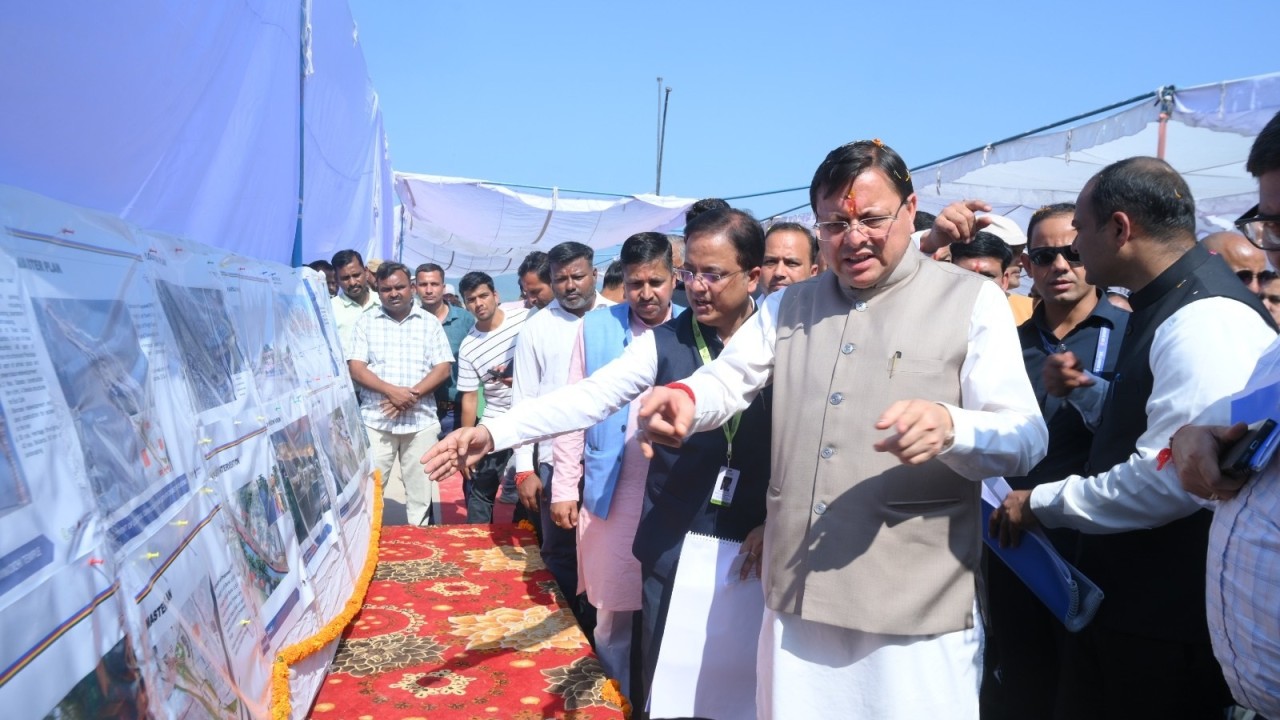
Uttarakhand, often called Devbhumi—the “Land of the Gods”—has long been a sacred and serene destination for pilgrims and nature lovers alike. On October 24, 2025, Chief Minister Pushkar Singh Dhami launched the first phase of the Sharda Corridor Project at Tanakpur, marking a transformative moment for the state. This initiative aims to blend spirituality, infrastructure, ecology, and economic growth into one holistic development model.
About the Project
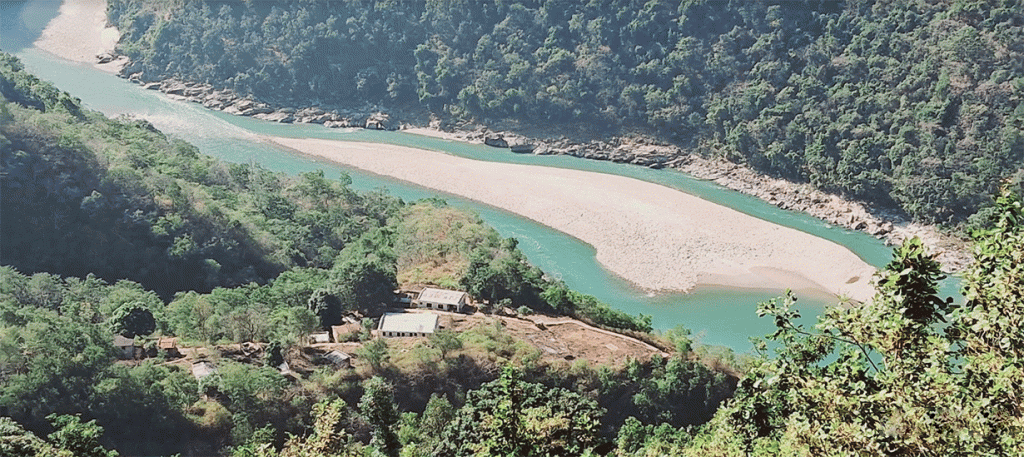
The Sharda Corridor Project is centered around rejuvenating the Sharda Riverfront and pilgrimage route in Tanakpur, Champawat district. The first phase, costing around ₹185 crore, includes several key components:
- Redevelopment of the Sharda Ghat: Construction of safe and accessible bathing ghats, an Aarti site, improved sanitation, lighting, and aesthetic landscaping.
- Ecological Restoration (Kiroda Nala Corridor – ₹109 crore): Focused on environmental conservation, riverbank stabilization, and flood protection.
- City Drainage Project (₹62 crore): Upgrading urban drainage systems for rainwater management and preventing flooding.
- Access Route to Thaik Village (₹5 crore): Improving connectivity for pilgrims and local residents.
Together, these initiatives form a comprehensive plan that prioritizes both spiritual tourism and sustainable infrastructure.
Why the Sharda Corridor Project is Big for Uttarakhand
1. Strengthening Cultural and Spiritual Identity
The Sharda Corridor will become a major addition to Uttarakhand’s spiritual tourism circuit, joining destinations like Kedarnath, Badrinath, and Jageshwar. It celebrates the Sharda River and the ancient Sharda Peeth tradition, emphasizing faith and heritage preservation. For Uttarakhand, this reaffirms its image as the “spiritual capital of the Himalayas.”
2. Boosting Local Economy and Livelihoods
Tourism is a lifeline for Uttarakhand’s economy. The corridor is expected to:
- Attract thousands of new visitors annually.
- Create employment in hospitality, guiding, local crafts, and transport.
- Stimulate local businesses, from small eateries to homestays.
By developing Tanakpur as a hub, the project decentralizes growth, ensuring smaller towns share in Uttarakhand’s development.
3. Integrating Development with Ecology
Unlike conventional infrastructure projects, the Sharda Corridor emphasizes eco-sensitive planning:
- Flood-resistant structures safeguard lives and property.
- The Kiroda Nala Ecological Corridor restores biodiversity and improves river health.
- Sustainable materials and design ensure harmony with the natural surroundings.
This approach sets an example for how development in the fragile Himalayan ecosystem should be pursued.
4. Infrastructure That Enhances Connectivity
The improved road networks and pedestrian pathways will make Tanakpur more accessible—not just for pilgrims but also for locals and businesses. Better connectivity also means easier disaster response, safer commutes, and smoother logistics for tourism operations.
5. Aligning with the Vision of “Spiritual Growth through Sustainable Development”
Chief Minister Dhami emphasized that the project combines faith, employment, and nature—a model that supports Prime Minister Modi’s broader vision of spiritual and ecological prosperity. It’s a symbol of modern India’s effort to integrate technology, culture, and sustainability in one framework.
6. Regional Upliftment and Balanced Growth
Tanakpur, located near the Indo-Nepal border, has often been overlooked compared to Dehradun or Nainital. The Sharda Corridor brings:
- Investment into a less-developed region.
- Improved civic amenities for local residents.
- Greater visibility and tourism potential for Champawat district.
It’s a step toward balanced regional growth, reducing migration pressure from hill areas to plains.
The Larger Vision
The Sharda Corridor is not just a local project—it’s a symbol of Uttarakhand’s evolving identity:
- From faith-based tourism to holistic development.
- From ecological vulnerability to sustainable resilience.
- From regional isolation to integrated growth.
If implemented effectively, it could become a model project for other Himalayan states, balancing spirituality, environment, and economy.
The launch of the first phase of the Sharda Corridor Project marks a defining moment for Uttarakhand. It represents a convergence of devotion and development—where ancient faith meets modern infrastructure, and ecology meets economy. For a state whose identity rests on both the sanctity of its rivers and the strength of its people, this project is not just about beautifying a riverfront—it’s about redefining Uttarakhand’s future.