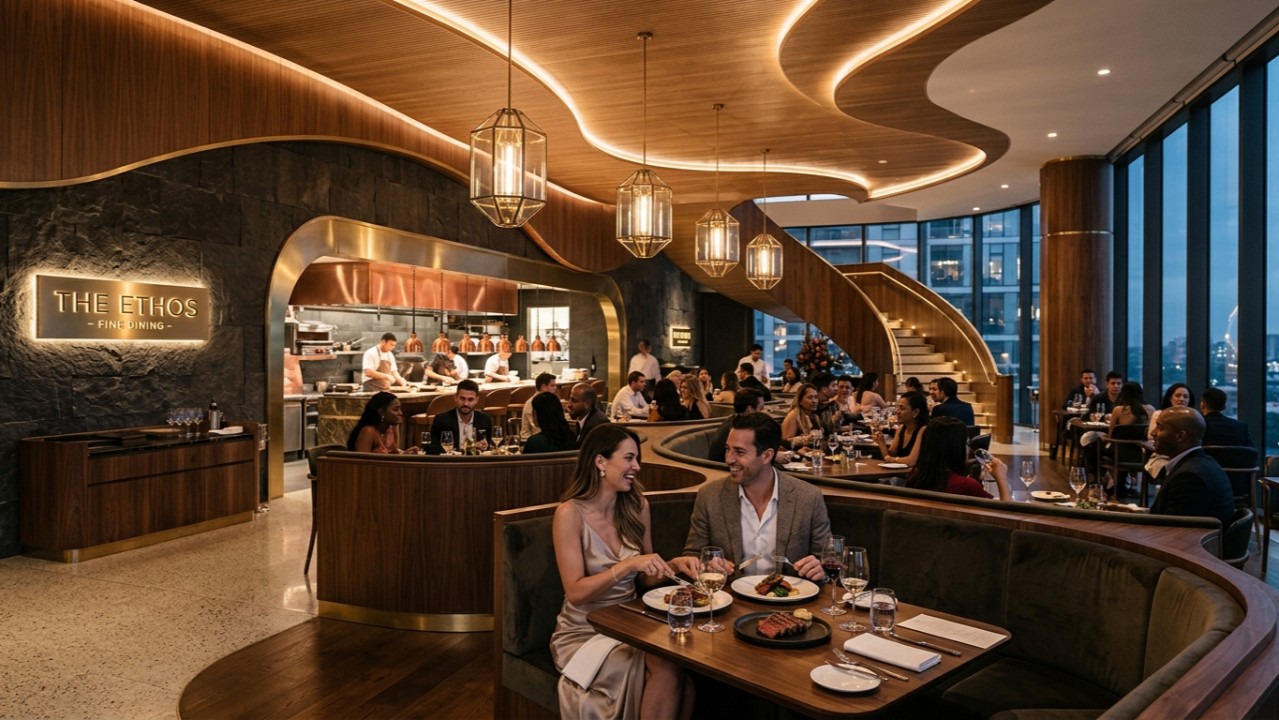
Most restaurant owners invest heavily in menu development, marketing, and operations.
Yet one of the most powerful business tools is often overlooked:
The design of the space itself.
A restaurant’s design influences how customers feel, how long they stay, how much they spend, whether they return, and ultimately how they remember the brand.
The most successful restaurants understand a simple truth:
Great design doesn’t just look good. It works strategically.
1. Design Begins With Identity, Not Furniture

Before selecting materials, lighting fixtures, or furniture styles, a restaurant must answer one critical question:
What experience are we creating?
A fine-dining destination, neighborhood café, luxury rooftop, and fast-casual eatery all require completely different design languages.
Every design decision should reinforce the restaurant’s personality, target audience, pricing strategy, and culinary concept. When the physical environment aligns with the brand story, customers instantly understand what the restaurant stands for.
The strongest restaurant interiors don’t follow trends.
They communicate purpose.
2. The First Impression Starts Before The First Bite

Customers begin evaluating a restaurant long before they see the menu.
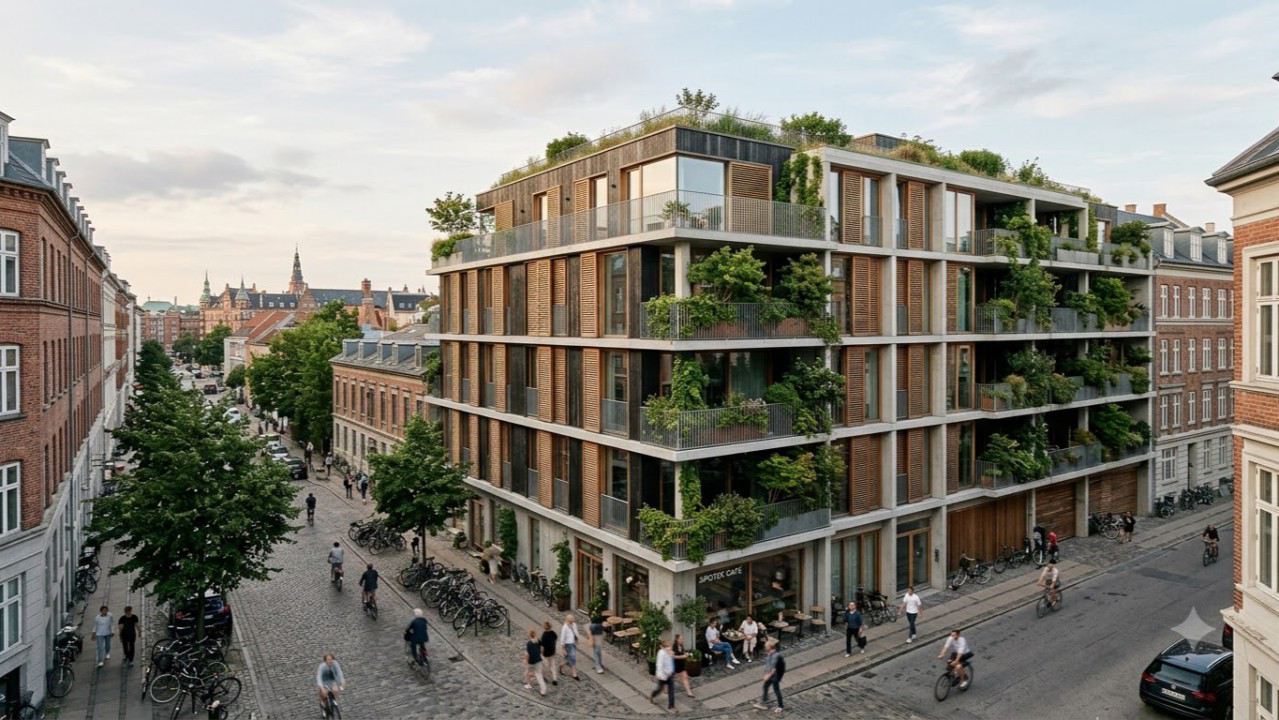
The façade, signage, entrance sequence, landscaping, lighting, and visibility from the street all contribute to a first impression within seconds.
Ask yourself:
- Does the exterior reflect the quality of the experience inside?
- Is the entrance inviting after sunset?
- Can customers immediately understand the brand personality?
The journey begins at the curb, not at the table.
3. Layout Directly Impacts Revenue

An efficient floor plan is one of the most underrated profit drivers in hospitality design.
Poor layouts create bottlenecks, slow service, uncomfortable seating arrangements, and operational inefficiencies.
Successful restaurants achieve a careful balance between:
- Guest comfort
- Staff circulation
- Seating capacity
- Accessibility
- Operational workflow
When guests can move comfortably and staff can serve efficiently, the overall dining experience improves significantly.
Design should never force operations to adapt.
Operations should be supported by design.
4. Lighting Is The Most Powerful Mood Setter

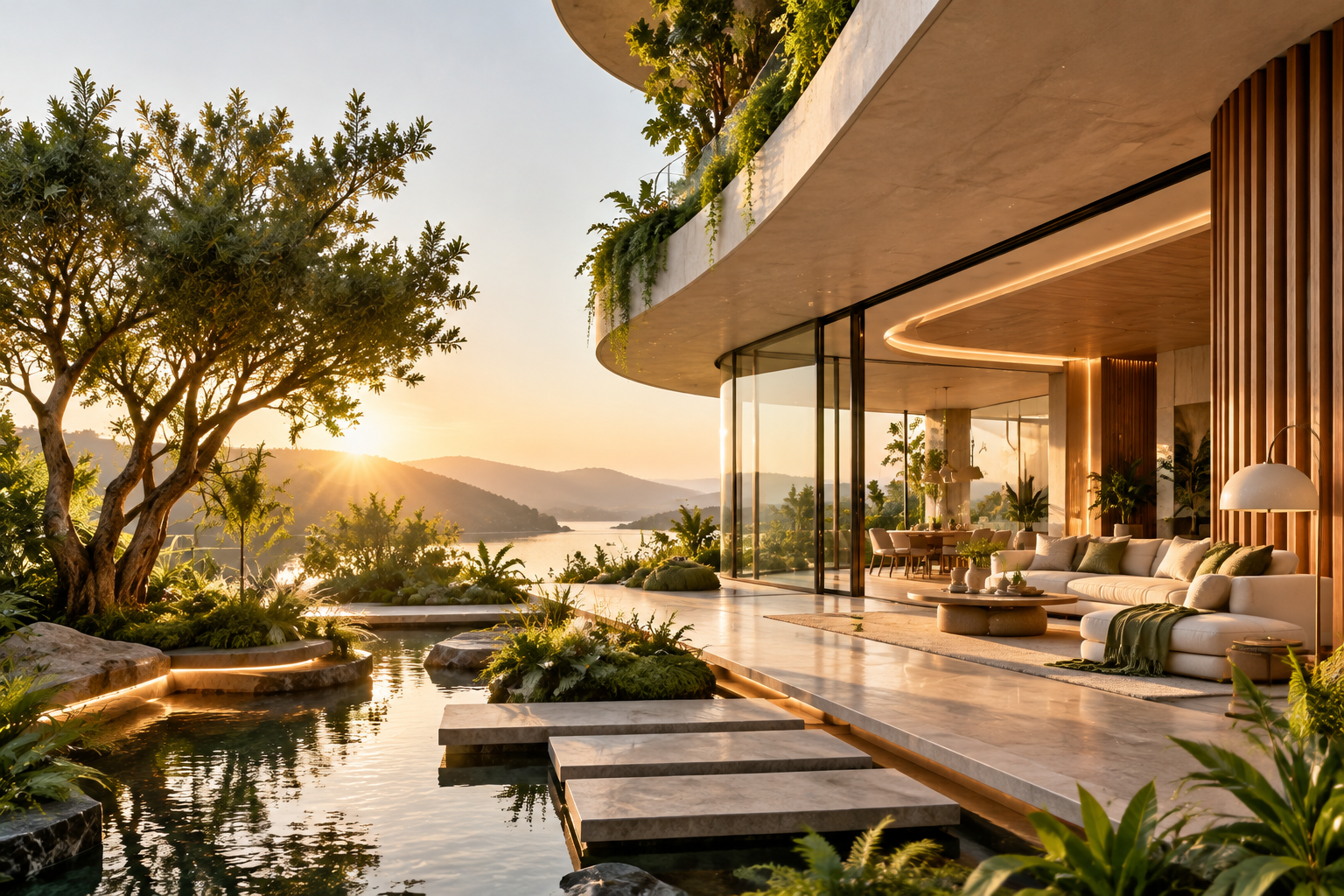
Lighting has a direct impact on atmosphere, perception, and emotional response.
The same space can feel energetic, intimate, luxurious, or casual depending entirely on lighting strategy.
The most effective restaurant environments combine:
- Ambient lighting for overall comfort
- Task lighting for operational areas
- Accent lighting to highlight architectural features and focal points
Warm and layered lighting often create a more inviting experience while enhancing food presentation and customer comfort.
People rarely remember the lumens.
They remember how the space made them feel.
5. Acoustics Matter More Than Most Designers Realize

One of the fastest ways to ruin a dining experience is excessive noise.
A visually stunning restaurant can still feel uncomfortable if conversations become difficult.
Thoughtful acoustic planning can improve customer satisfaction through:
- Sound-absorbing materials
- Upholstered seating
- Acoustic ceiling treatments
- Strategic zoning of high-energy and quiet areas
A comfortable sound environment encourages longer stays and more enjoyable social interactions.
6. Every Material Choice Communicates Quality

Customers subconsciously evaluate quality through materials and finishes.
The tactile experience of a tabletop, chair, flooring material, wall texture, or countertop contributes to the perceived value of the brand.
The best material selections achieve three objectives:
- Durability
- Maintenance efficiency
- Visual appeal
Beautiful materials are important.
Materials that remain beautiful after years of use are even more important.
7. Technology Is Becoming Part Of The Design Experience

Today’s customers increasingly expect convenience integrated into their dining journey.
QR menus, digital reservations, smart POS systems, waitlist management, and digital wayfinding are no longer considered premium features.
They are becoming standard expectations.
The challenge is ensuring technology enhances the experience without making it feel impersonal.
The best technology becomes almost invisible.
8. Design For Repeat Visits, Not Just Social Media

Many restaurants focus on creating “Instagrammable” corners.
While visual appeal is important, sustainable success comes from creating spaces people genuinely enjoy returning to.
A restaurant that balances aesthetics, comfort, functionality, and emotional connection creates stronger customer loyalty than one designed solely for photographs.
The goal is not just attention.
The goal is retention.

Restaurant design is often viewed as an expense.
The most successful hospitality brands view it as an investment.
Every square foot influences customer perception, operational efficiency, staff productivity, and revenue generation.
Because at the end of the day, customers don’t simply remember what they ate.
They remember how the space made them feel.
And that feeling is designed.