Sustainable architecture begins when people start using a building.
A building may be considered complete when the final material is installed, the site is cleared, and the keys are handed over.
But is that really the end of architecture?
In many ways, it is only the beginning.
Because once construction ends, a building starts interacting with the world it was designed for. People occupy its spaces. Materials respond to changing weather. Systems consume energy. Maintenance becomes necessary. And the decisions made during design begin to reveal their long-term consequences.
A building is not simply an object to be completed. It is a living part of everyday life.
1. The First Day Is Not the Final Test
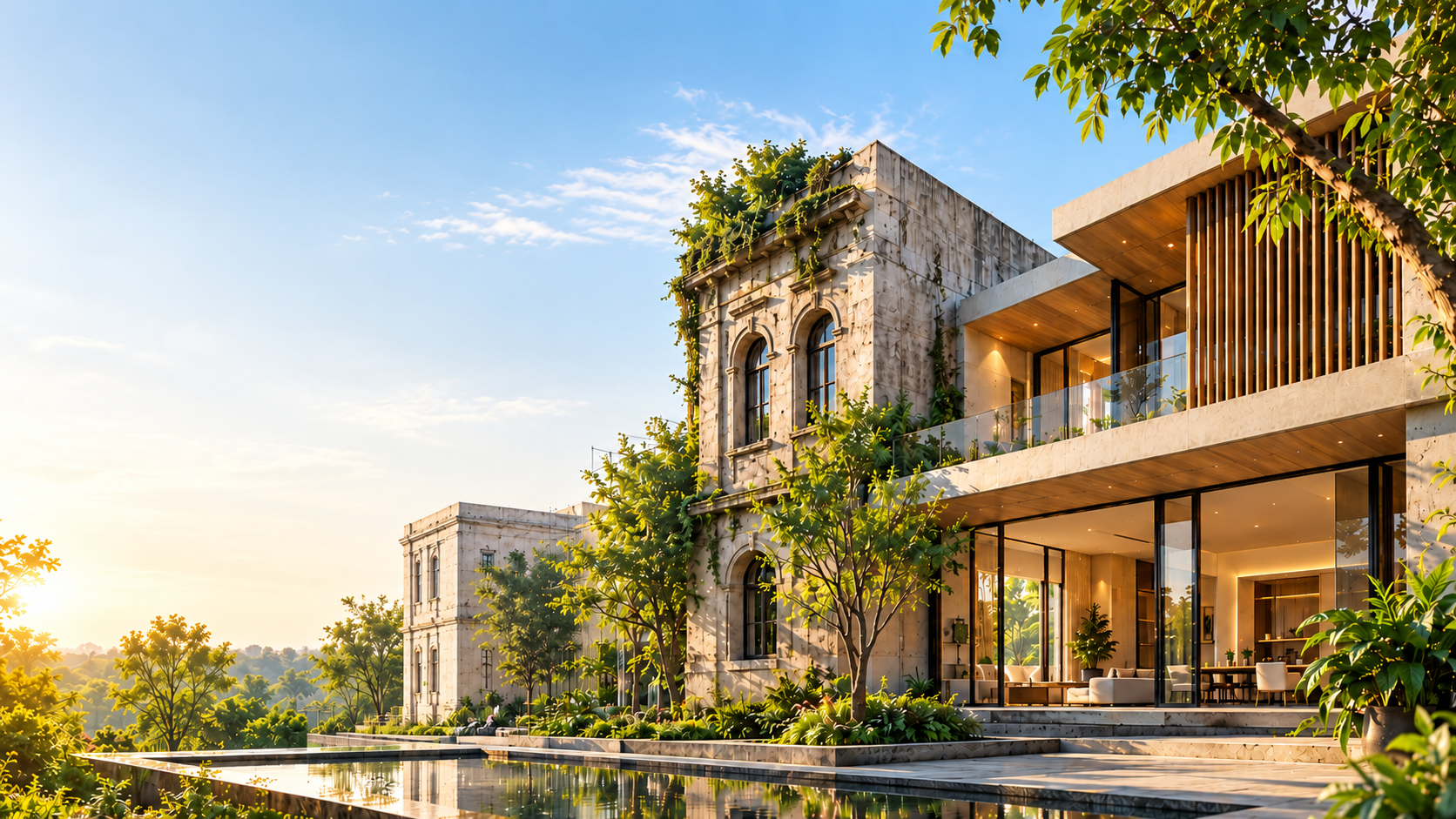
Architectural photographs often capture a building at its most polished moment—fresh materials, clean surfaces, perfect lighting and carefully composed views.
Real life is different.
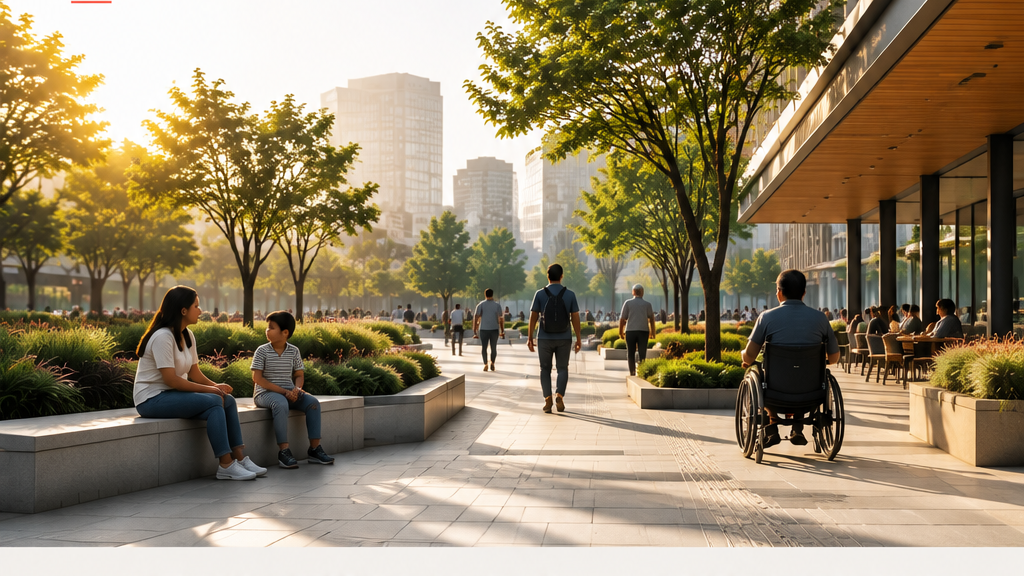
Spaces become occupied. Finishes experience wear. Equipment requires servicing. Families grow, businesses change, and the way people use a building evolves.
The real question is not just how a building looks on completion day.
It is how well it continues to perform five, ten or even fifty years later.
Good architecture must be designed for the life that follows the handover.
2. Materials Have a Life Beyond Installation
Material selection is often discussed in terms of appearance, cost and immediate performance.
But every material also has a future.
How will it age? How much maintenance will it require? Can it be repaired rather than replaced? Will it retain its character over time? What happens when it eventually reaches the end of its useful life?
A material that looks impressive on day one may not be the most appropriate choice over the building’s entire lifespan.
Thoughtful material selection considers not only how something looks when installed, but also how it performs, ages and responds to use.
The best material is not always the one that looks perfect today. It may be the one that continues to work tomorrow.
3. Sustainability Is Measured Over Time
Sustainability cannot be judged by a building’s appearance alone.
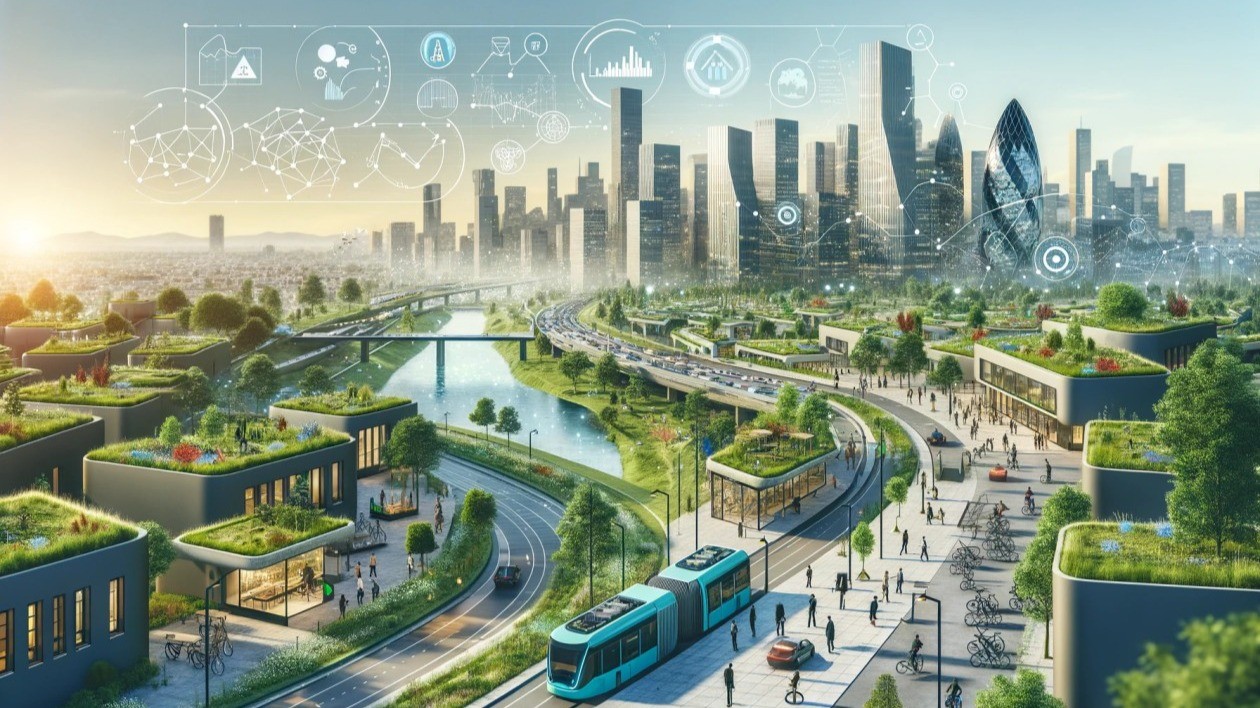
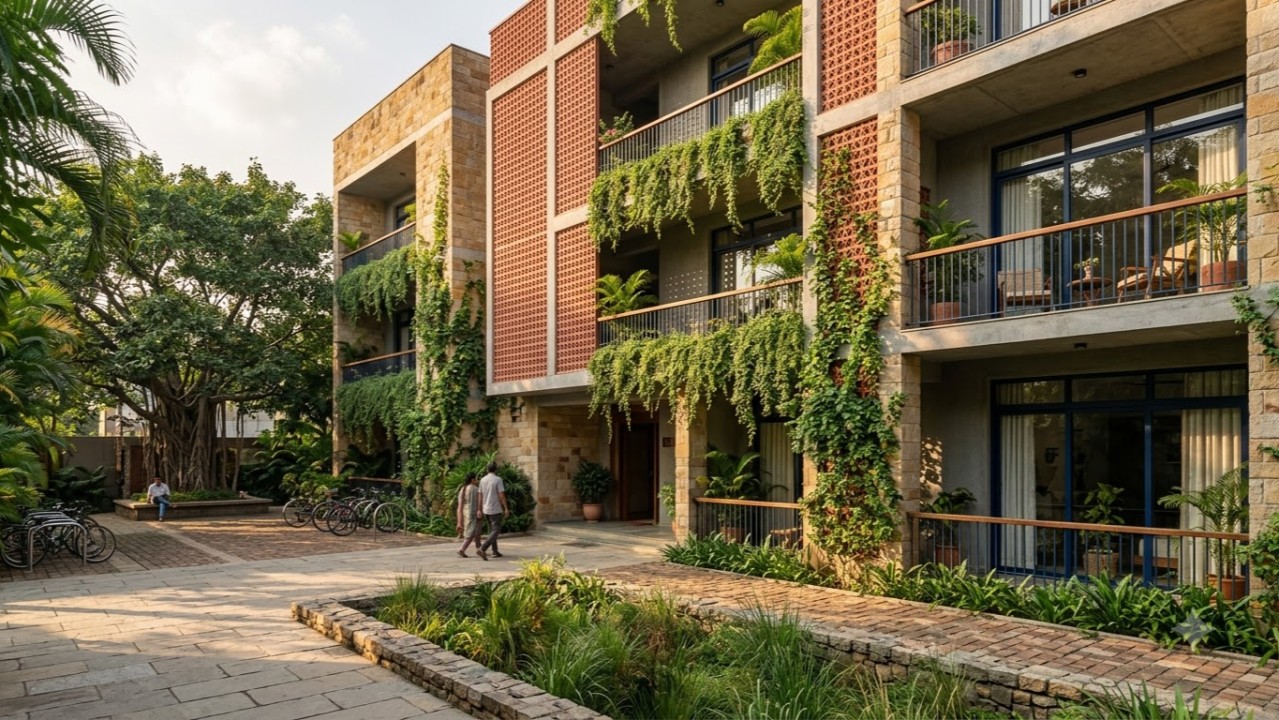
A green façade or rooftop garden may contribute to environmental performance, but long-term sustainability also depends on energy demand, water use, durability, maintenance and the resources consumed throughout the building’s life.
A climate-responsive building can reduce unnecessary heat gain through orientation and shading. An efficient building envelope can help maintain comfortable indoor conditions. Durable materials can reduce premature replacement.
These decisions may not always be the most visible features of a building, but their effects can continue long after construction is complete.
Sustainability is not just about how a building is built. It is also about how it performs for years afterwards.
4. Buildings Must Be Able to Adapt
The needs of people rarely remain the same.
A home may need to accommodate a growing family. An office may evolve into a collaborative workspace. A commercial building may require a different layout as businesses change.
When architecture anticipates change, spaces can adapt without requiring unnecessary demolition or major reconstruction.
Flexible layouts, accessible services, considered structural planning and adaptable spaces can help extend a building’s useful life.
Instead of asking only, “Will this design work today?”, architects should also ask:
“How easily can this building respond to tomorrow?”
5. Maintenance Is Part of Design, Not an Afterthought
A beautiful building that is difficult to maintain can become expensive to operate.
Access to equipment, drainage, waterproofing, façade cleaning, service coordination and the availability of replacement materials all influence how a building performs over time.
These practical considerations may receive less attention than the finished façade, but they can have a significant impact on the building’s long-term value.
When maintenance is considered early, problems can often be anticipated rather than addressed only after they appear.
A well-designed building should not only be easy to experience. It should also be practical to care for.
6. The Value of Coordination Continues After Handover
Architecture is a collaborative process involving design, structure, building services, materials and construction.
When these elements are coordinated effectively, the benefits can extend beyond the construction phase. Clear documentation, well-resolved details and accessible building information can support maintenance, repairs and future modifications.
This is one reason digital coordination and Building Information Modelling (BIM) can be valuable: they help bring different building systems and information together during design and delivery.
The objective is not simply to create a more detailed model.
It is to make better-informed decisions across the building’s lifecycle.
7. The Most Important Measure Is Long-Term Performance
A building’s success should not be judged only by its completion date, visual impact or initial cost.
We should also consider whether it remains comfortable, efficient, durable, adaptable and useful to the people who occupy it.
Does it continue to serve its purpose? Does it use resources responsibly? Can it accommodate changing needs? Does it contribute positively to its surroundings?
These are the questions that reveal the difference between a building that is merely completed and one that is thoughtfully designed for the long term.
The Bigger Perspective
Construction gives architecture its physical form.
But time reveals the quality of the decisions behind it.
The most meaningful architectural choices are often made long before a building opens its doors: how it responds to the climate, how materials are selected, how services are coordinated, how spaces can adapt and how the building will be maintained.
These decisions shape not just the construction process, but the decades that follow.
Architecture doesn’t end when construction ends. It continues in every space people use, every resource a building consumes, every material that ages and every change the building must accommodate.
Perhaps the real measure of good architecture is not simply what we create on completion day, but what continues to work well long after it.
Design for the handover. Think beyond the handover. Build for the life that follows.
Because enduring architecture is not only about creating buildings. It is about creating buildings that continue to matter.
#Architecture #SustainableArchitecture #ArchitecturalDesign #BuildingLifecycle #BIM #ClimateResponsiveDesign #MaterialSelection #SustainableDesign #AestheticDesigns #ChangingPrespective