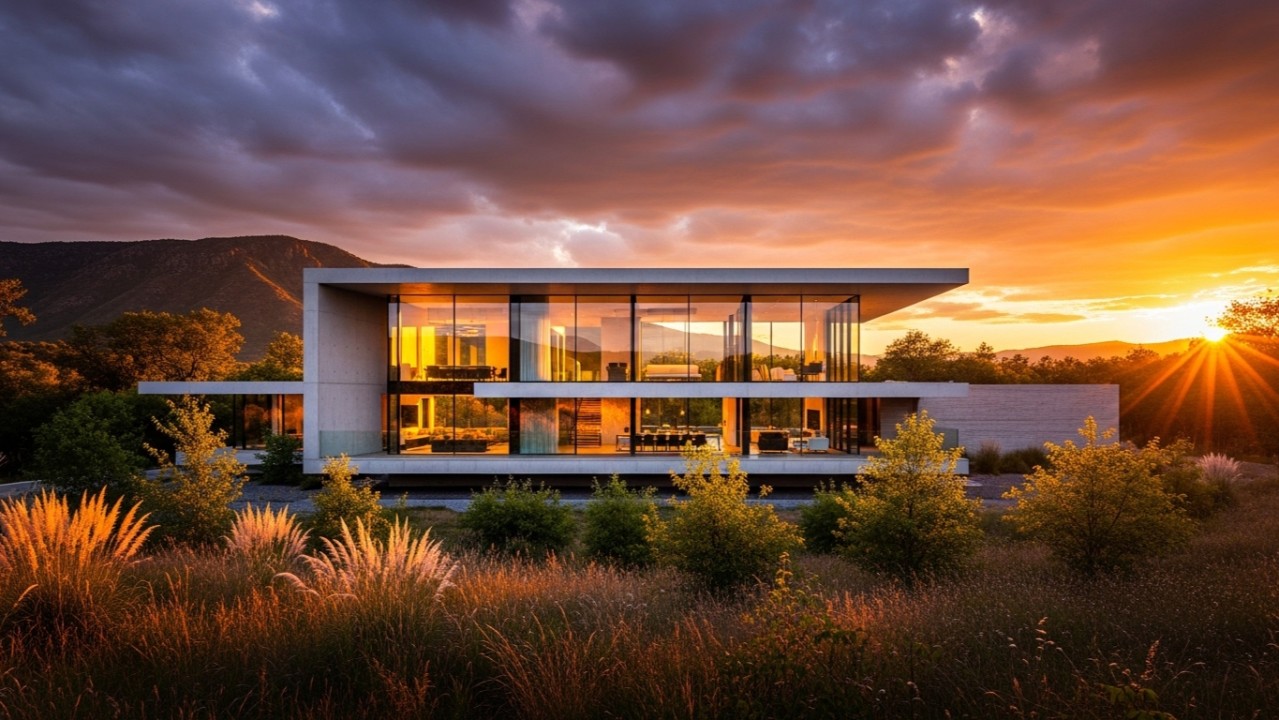
Architecture is more than just constructing buildings—it is the art and science of shaping spaces that influence how people live, work, and interact. As cities grow and lifestyles evolve, architecture is transforming to meet the demands of sustainability, technology, and human well-being.
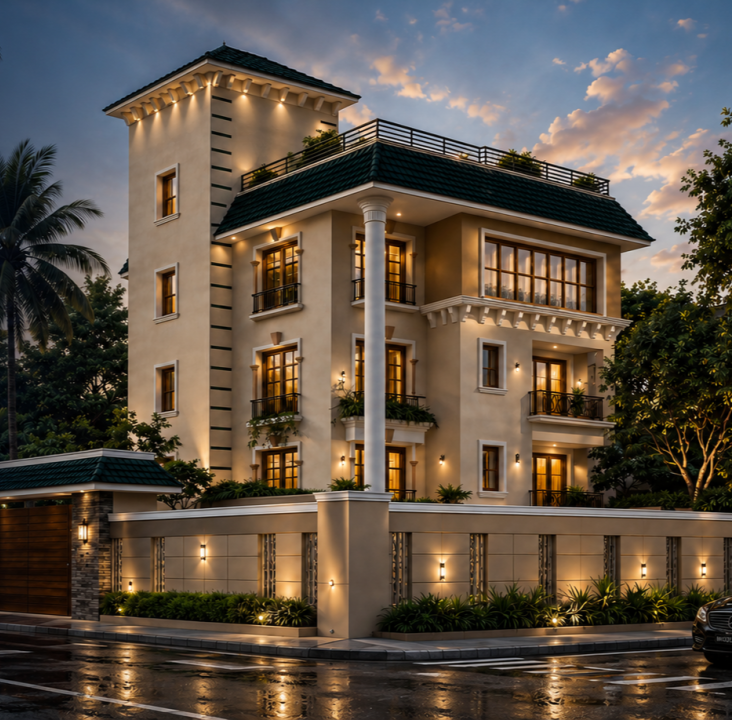
Modern architecture today blends creativity with functionality, ensuring that every structure is not only visually appealing but also efficient, sustainable, and adaptable.
1. The Evolution of Modern Architecture

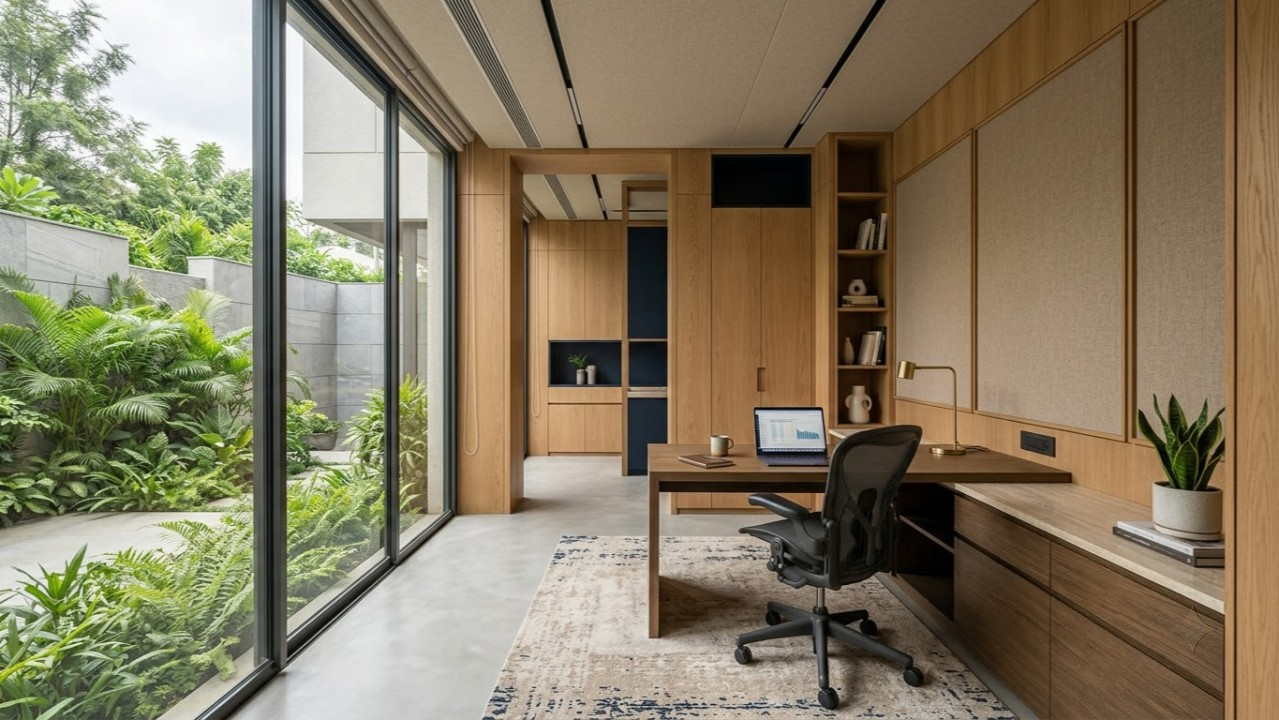
Over the past few decades, architecture has shifted from purely aesthetic designs to human-centric environments. Architects now focus on creating spaces that enhance comfort, productivity, and emotional well-being.
Key elements of modern architecture include:
- Open and flexible floor plans
- Integration of natural light
- Sustainable building materials
- Smart home technologies
- Energy-efficient designs
These elements allow buildings to adapt to modern lifestyles while reducing environmental impact.
2. Sustainability: The Core of Contemporary Design

Sustainability has become one of the most important aspects of architectural design. Architects are increasingly focusing on eco-friendly practices that minimize energy consumption and reduce carbon footprints.
Common sustainable design strategies include:
- Passive cooling and natural ventilation
- Solar energy integration
- Rainwater harvesting systems
- Green roofs and vertical gardens
- Use of locally sourced materials
These solutions not only protect the environment but also significantly reduce long-term operational costs for homeowners.
3. The Role of Technology in Architecture

Technology is redefining how buildings are designed and constructed. Digital tools like Building Information Modeling (BIM) and 3D visualization allow architects to plan projects with greater accuracy and efficiency.
Emerging technologies influencing architecture include:
- Artificial intelligence for design optimization
- Virtual reality for immersive design presentations
- Smart home automation systems
- Parametric design for complex structures
These innovations enable architects to experiment with bold designs while ensuring structural integrity and efficiency.
4. Human-Centered Architectural Design

Architecture today is increasingly focused on human experience. Instead of designing buildings solely for visual appeal, architects now consider how spaces affect mood, productivity, and social interaction.
Examples include:
- Homes designed for mental well-being
- Workspaces that encourage collaboration
- Public spaces that promote community interaction
By prioritizing human comfort and emotional connection, architecture becomes a tool for improving quality of life.
5. The Future of Architecture
-
Future of architecture
-

The future of architecture will likely revolve around sustainability, adaptability, and intelligent systems. Buildings will become more responsive to environmental conditions and the needs of their occupants.
Future architectural trends may include:
- Net-zero energy buildings
- Smart cities with connected infrastructure
- Modular and prefabricated construction
- Climate-resilient architecture
As technology and environmental awareness grow, architecture will continue to evolve into a discipline that balances innovation with responsibility.
Architecture is constantly evolving to meet the changing needs of society. By integrating sustainability, technology, and human-centric design, architects are shaping a future where buildings are not just structures but living environments that enhance everyday life.
The buildings of tomorrow will not only define city skylines but also contribute to healthier communities and a more sustainable world.