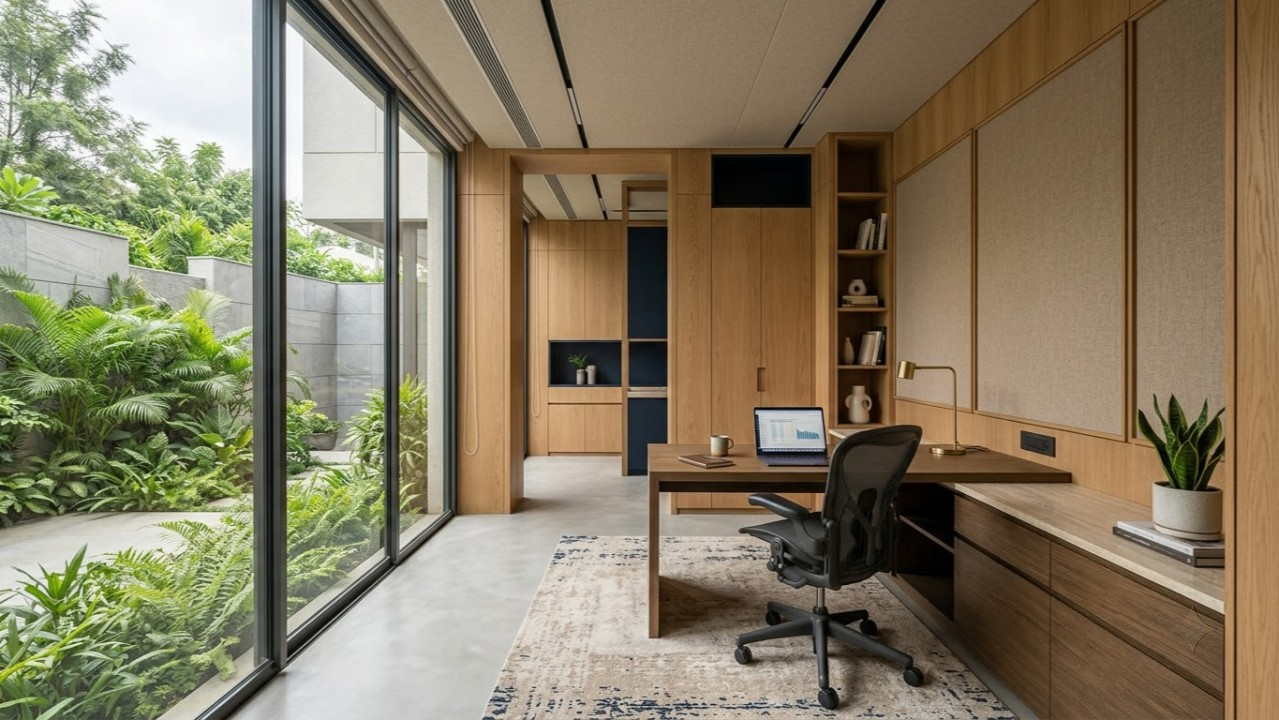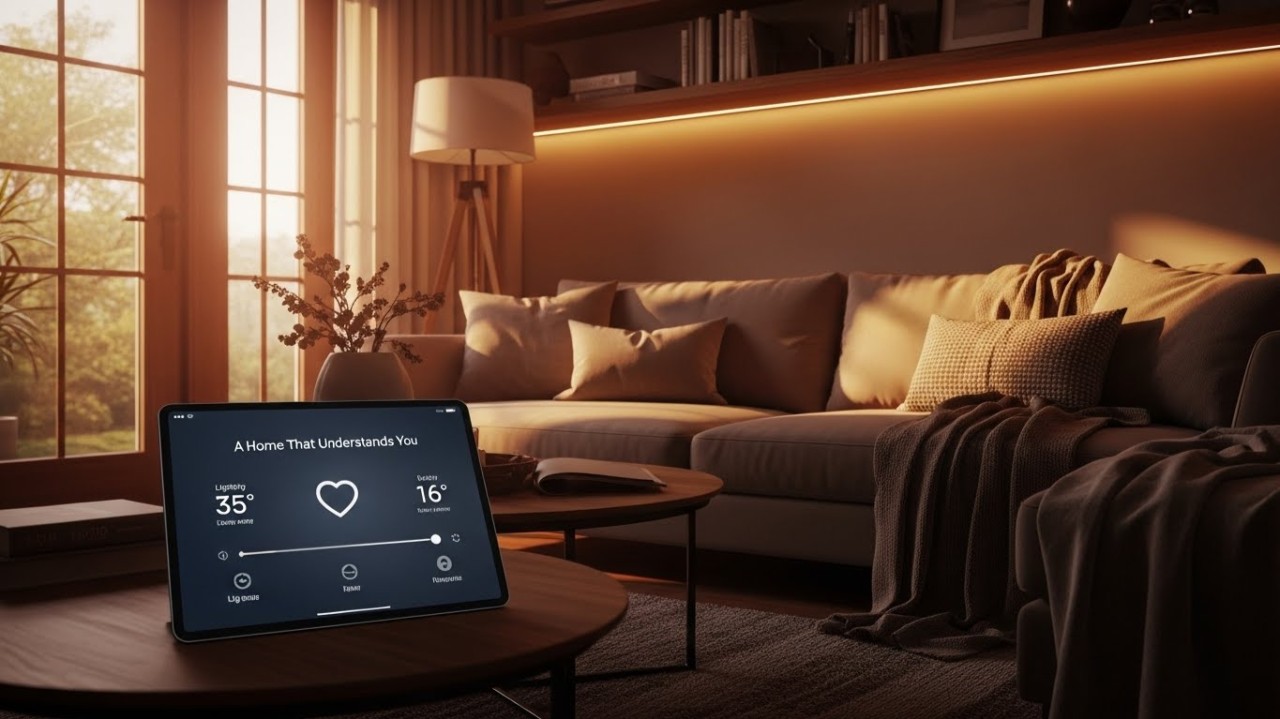
A home is more than a physical shelter — it is an emotional environment that shapes how we feel, think, and live each day. While conventional home design often prioritises appearance and function, emotional architecture goes deeper. It focuses on how spaces influence human emotions, mental health, and overall well-being. A thoughtfully designed home can reduce stress, encourage relaxation, and foster meaningful connections, making emotional comfort as important as visual appeal.
Understanding Emotional Architecture

Emotional architecture is a human-centred design approach that considers the psychological and emotional impact of built spaces. It recognises that design elements such as light, colour, materials, sound, and spatial layout directly affect mood and behaviour. Rather than creating spaces that only look good, emotional architecture creates environments that feel right — safe, calm, and nurturing for the people who inhabit them.
The Role of Light in Emotional Well-Being

Lighting plays a crucial role in regulating emotions and biological rhythms. Natural daylight supports alertness and improves mood, while soft, warm lighting helps the body relax as the day ends.
- Layered lighting using ambient, task, and accent sources allows flexibility throughout the day.
- Warm lighting in the evening creates a soothing atmosphere and encourages rest.
- Gentle, diffused light helps reduce eye strain and emotional fatigue.
Well-planned lighting transforms a space from functional to emotionally supportive.
Materiality and Texture: Creating Comfort Through Touch

The materials we interact with daily influence how welcoming we perceive a space to be. Cold, hard surfaces can feel distant, while warm, textured materials promote comfort and grounding.
- Natural materials such as wood, stone, and fabrics introduce warmth and authenticity.
- Textured finishes invite touch and add sensory richness.
- Soft furnishings create a sense of protection and ease.
These tactile elements strengthen the emotional connection between people and their living spaces.
Acoustic Comfort and Emotional Balance

Sound has a powerful yet often overlooked impact on well-being. Excessive noise or echoing spaces can increase stress levels and discomfort.
- Soft furnishings, rugs, and curtains help absorb sound.
- Thoughtful spatial planning reduces unwanted noise travel.
- Calm acoustics encourage relaxation and meaningful conversation.
A quiet, acoustically balanced home supports emotional stability and mental clarity.
Colour Psychology in Home Design

Colours influence emotions both consciously and subconsciously. Emotional architecture uses colour intentionally to support the purpose of each space.
- Warm, earthy tones create a sense of security and belonging.
- Muted greens and blues promote calmness and mental relaxation.
- Soft neutrals help reduce visual overload and create balance.
Rather than stark or overly bold palettes, emotionally responsive homes favour colours inspired by nature and everyday comfort.
Designing Spaces for Human Connection

Homes should encourage interaction, communication, and togetherness. Emotional architecture shifts focus from screen-centred layouts to people-centred spaces.
- Seating arrangements that face each other promote conversation.
- Intimate spatial layouts make rooms feel inviting rather than empty.
- Flexible spaces adapt to social and emotional needs.
Designing for connection strengthens relationships and enhances emotional well-being.
Biophilic Design: Reconnecting with Nature

Humans naturally feel calmer in environments connected to nature. Emotional architecture incorporates natural elements to reduce stress and improve mental health.
- Organic forms and gentle curves feel more natural and comforting.
- Visual connections to the outdoors create a sense of openness.
- Natural patterns and materials support emotional balance.
Even subtle references to nature can have a positive psychological impact.
Scent as an Emotional Design Element

Scent directly influences memory and emotion. Thoughtful scent planning enhances the emotional quality of different spaces.
- Fresh, energising scents support focus and productivity.
- Soft, calming aromas help relaxation and sleep.
- Warm scents create comfort and familiarity in shared spaces.
When used subtly, scent becomes an invisible yet powerful design tool.
Simple Ways to Introduce Emotional Design at Home

Emotional architecture does not require major renovations. Small, intentional changes can make a significant difference:
- Create a quiet corner for relaxation and reflection.
- Use layered lighting instead of a single light source.
- Reduce clutter while keeping meaningful personal objects.
- Introduce soft textures through fabrics and finishes.
- Design spaces that feel adaptable and human-scaled.
These choices align the home with emotional needs rather than just functional requirements.
A well-designed home supports more than daily routines — it supports emotional health. Emotional architecture encourages spaces that help people unwind, connect, and feel grounded. When design responds to human emotions, a home becomes a place of restoration, comfort, and balance. Thoughtful design allows residents not just to live in a space, but to truly feel at home.