Overview:
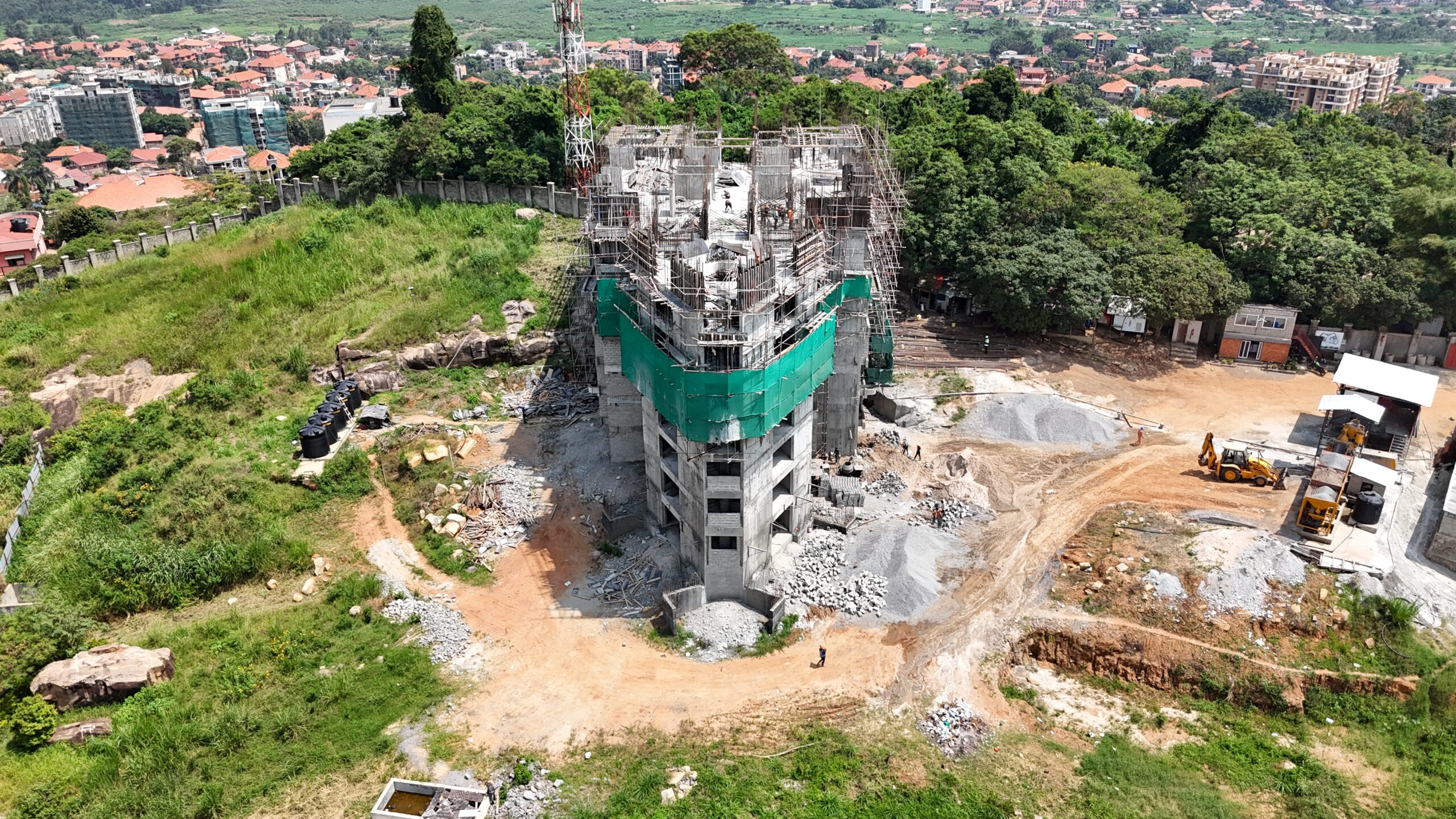
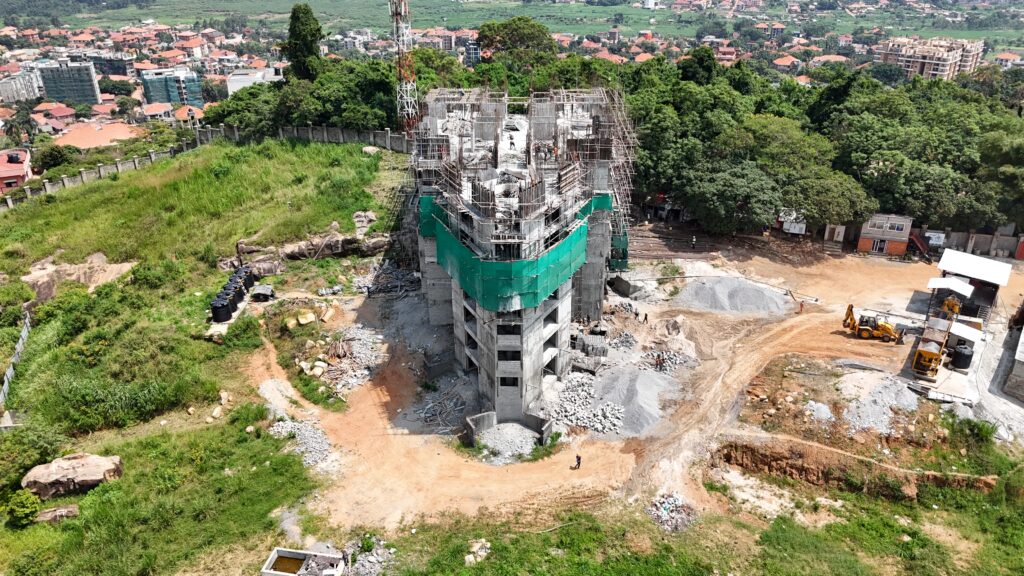
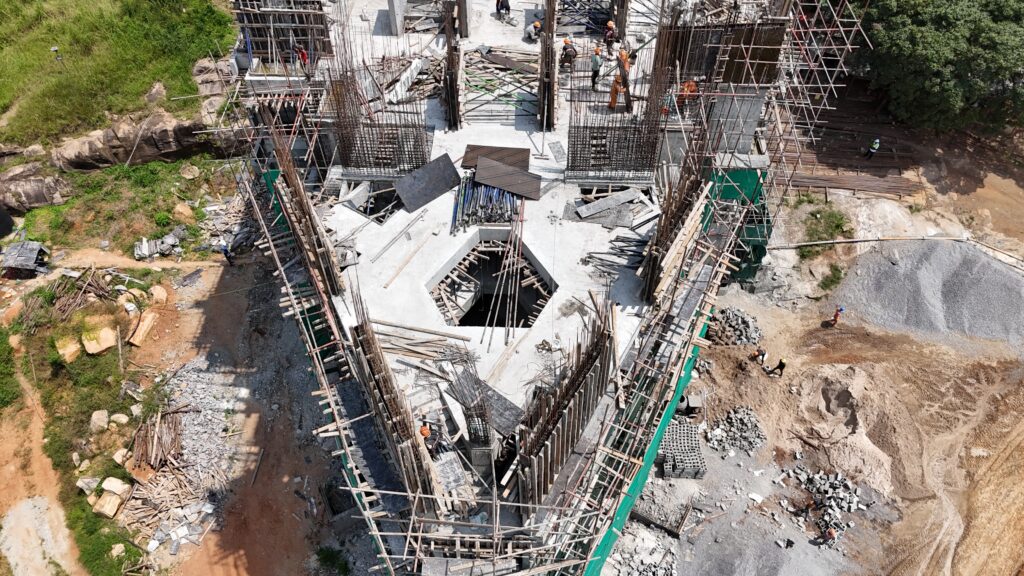
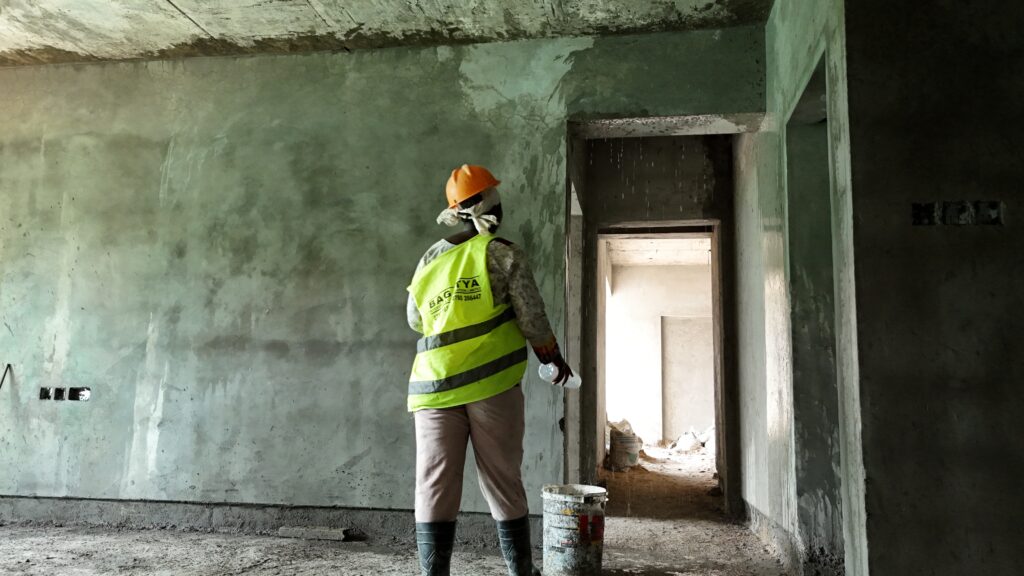
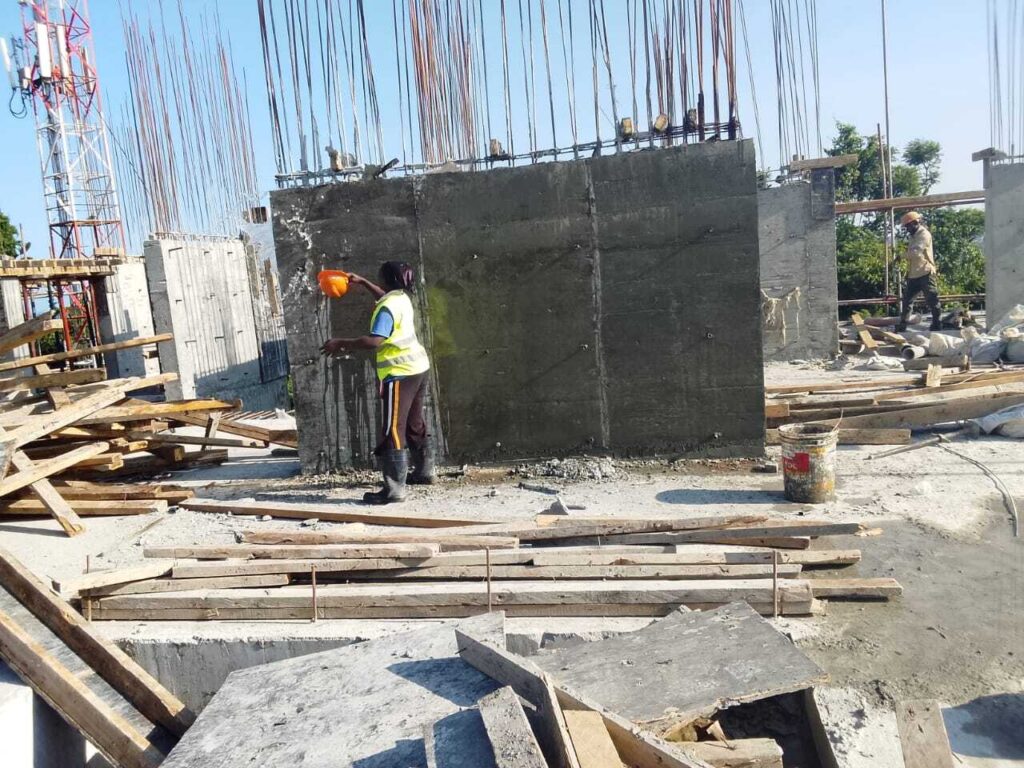
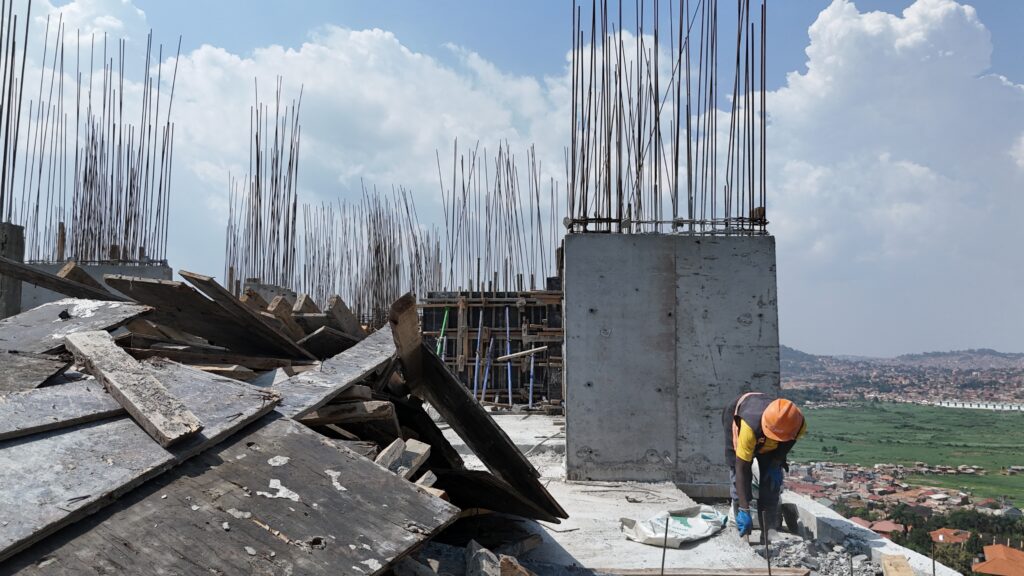
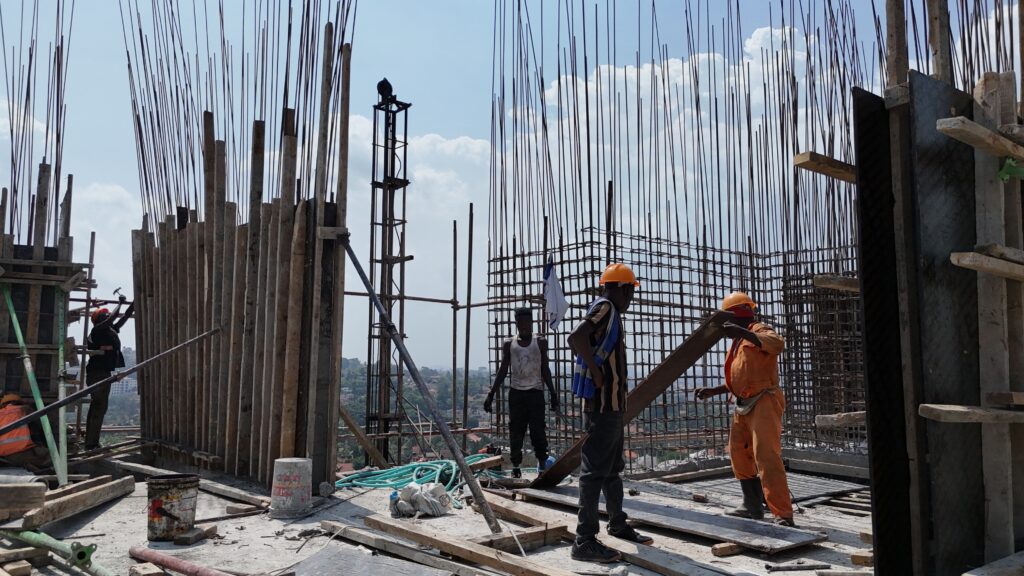
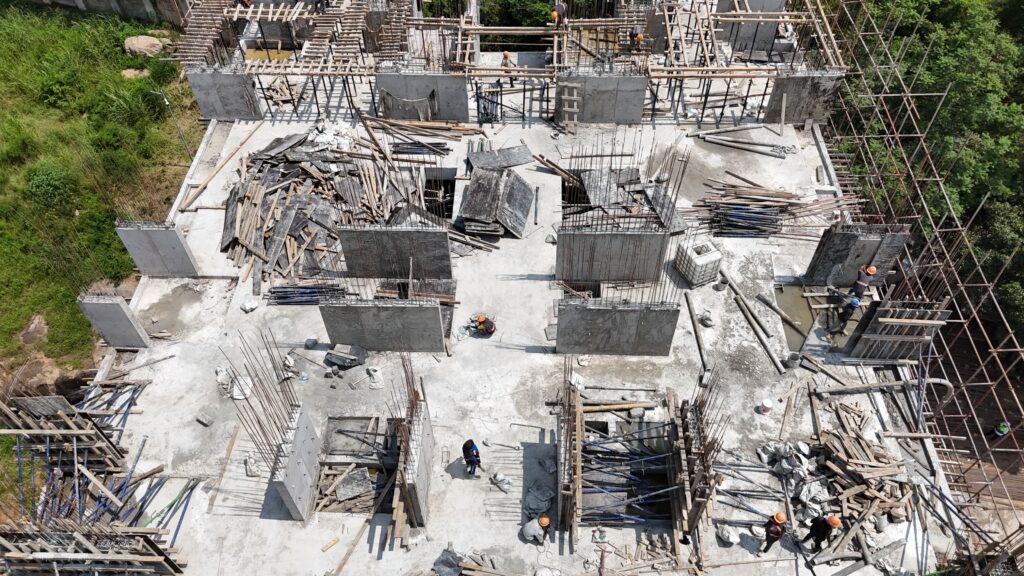
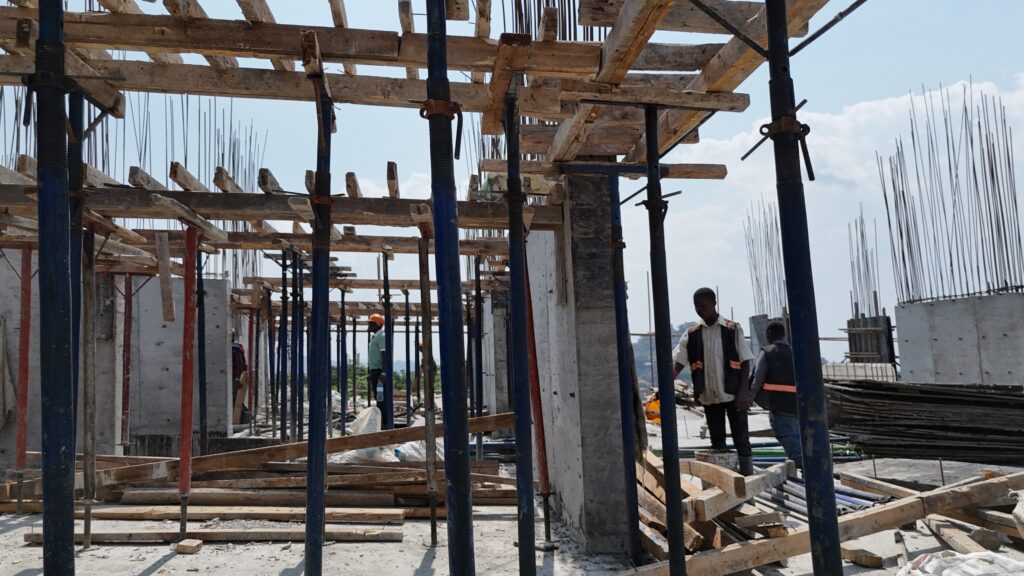
The construction of the building is progressing in a systematic and phased manner, with different floors at varying stages of completion, reflecting a well-coordinated workflow. On the ground floor, painting works are currently underway, with surface preparation completed and paint being applied meticulously to ensure a smooth and high-quality finish. The third floor has successfully completed its initial plaster coats, providing a strong and even base for subsequent finishing layers. Meanwhile, the fourth floor is nearing the completion of blockwork, with only minor sections remaining, and all structural alignments and bonding have been carefully verified in preparation for plastering. On the fifth floor, blockwork continues in full swing, with walls and partitions being constructed as per design specifications while integrating provisions for plumbing, electrical, and HVAC systems to avoid any rework. The sixth floor is currently sustaining shuttering operations, with formwork being installed for columns, beams, and slabs to precise dimensions and in strict compliance with structural requirements, in anticipation of concrete pouring once reinforcement placement is finalized. On the seventh floor, significant progress has been made, as the slab has been successfully cast and is now undergoing curing to achieve the required strength, while column casting is partially completed, with ongoing work to finish the remaining columns, all under stringent quality control measures. Overall, the project demonstrates a harmonious balance between structural and finishing activities, with lower floors entering finishing stages while upper floors continue structural execution, highlighting effective coordination among trades, adherence to design specifications, and a strong commitment to quality, safety, and timely project delivery.
What is it for?
The construction of the building is advancing steadily, with multiple floors at different stages of completion, reflecting a well-organized and phased approach. On the ground floor, painting works are currently in progress, with proper surface preparation completed and careful application underway to ensure a high-quality, durable finish. The third floor has completed the initial coats of plaster, providing a smooth base for the subsequent finishing layers, while the fourth floor is nearing the completion of blockwork, with only minor sections remaining and all structural alignment and bonding meticulously verified to prepare for plastering. On the fifth floor, blockwork continues actively, with walls and partitions being constructed according to design specifications, ensuring proper integration of electrical, plumbing, and HVAC conduits to prevent rework. The sixth floor is sustaining shuttering operations, with formwork for beams, columns, and slabs being installed precisely in compliance with structural requirements, ready for concrete casting once reinforcement placement is finalized. On the seventh floor, the slab has already been cast and is undergoing curing to achieve the required strength, while column casting is partially completed, with ongoing work to finish the remaining columns under strict quality control and alignment checks. Overall, the project demonstrates a smooth progression from lower to upper floors, with finishing works commencing on completed sections while structural and formwork activities continue above, highlighting careful coordination among trades, strict adherence to design and safety standards, and a focused effort to maintain project timelines and quality, ensuring that each stage of construction is executed efficiently and effectively.
Why does it matter to you?
The building construction is progressing steadily, with each floor at a different stage of completion, reflecting a carefully planned and coordinated workflow that balances structural and finishing activities simultaneously. On the ground floor, painting work is currently in progress, with all surface preparation completed to ensure a smooth and high-quality finish, and application being carried out in phases to maintain consistency and durability. The third floor has successfully completed the initial coats of plaster, establishing a solid and even base for the subsequent finishing layers, while the fourth floor is approaching the completion of blockwork, with only minor sections remaining, and careful attention has been given to alignment, bonding, and structural accuracy to prepare for plastering. On the fifth floor, blockwork is actively underway, with walls and partitions being constructed according to design specifications, while coordination with plumbing, electrical, and HVAC conduits ensures that installation conflicts are avoided and structural integrity is maintained. The sixth floor is sustaining shuttering work, with precise installation of formwork for beams, columns, and slabs, complying fully with structural drawings and safety standards in preparation for concrete pouring once reinforcement placement is completed. On the seventh floor, the slab has been cast and is currently undergoing curing to achieve the necessary strength, while column casting is partially completed, with ongoing work to finish the remaining columns, all monitored under strict quality control measures to ensure proper alignment, structural strength, and compliance with design standards. Overall, the project demonstrates a seamless integration of multiple construction phases, with lower floors entering finishing stages such as plastering and painting while upper floors continue structural execution, highlighting effective coordination between trades, meticulous adherence to quality and safety standards, and a clear focus on maintaining timelines, minimizing rework, and delivering a structurally sound, high-quality building efficiently.
The Ultimate Benefits
A comprehensive and detailed project overview, presented in a single coherent narrative, provides a multitude of ultimate benefits that significantly enhance both the management and execution of construction projects; it serves as a central reference point that allows all stakeholders—including clients, contractors, engineers, and site teams—to have a clear understanding of the current status of work, the sequence of activities, and the progress of each floor, which in turn facilitates informed decision-making, timely interventions, and the identification of potential risks before they escalate; it ensures effective coordination among different trades, such as masonry, plastering, painting, structural works, and electrical or plumbing installations, by clearly illustrating the workflow dependencies and preventing conflicts or rework; it strengthens accountability and transparency, as every stage of construction, from painting on the ground floor to slab casting and column work on upper floors, is documented and can be tracked against the project schedule, making it easier to measure performance, monitor quality, and enforce compliance with safety and design standards; it also improves communication by converting complex technical details into a structured, readable format that can be understood by both technical and non-technical stakeholders, thus minimizing misunderstandings and enhancing collaboration; furthermore, it supports long-term planning by highlighting completed work, ongoing activities, and upcoming tasks, allowing project managers to allocate resources efficiently, anticipate material needs, and optimize labor deployment; finally, such a detailed overview contributes to the overall success of the project by maintaining schedule adherence, ensuring high-quality construction, reducing costly delays or errors, and fostering confidence among all parties involved that the project is being executed systematically, efficiently, and with a clear roadmap toward timely and successful completion.