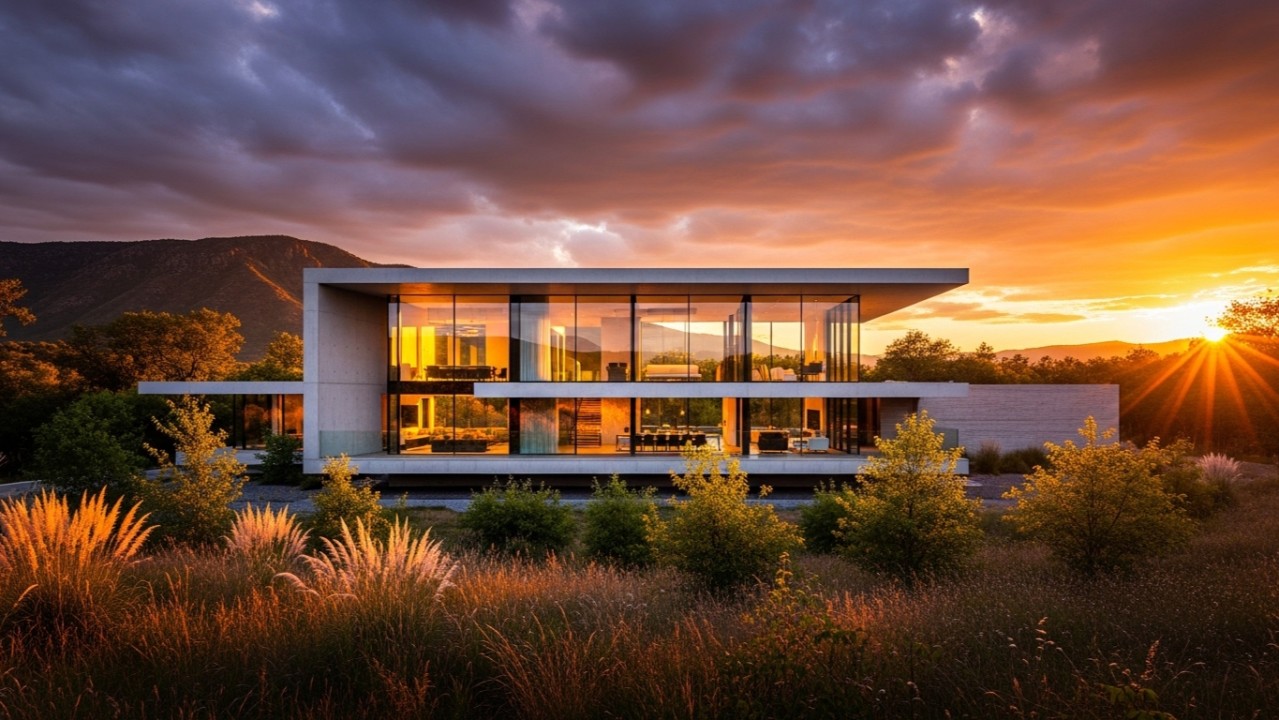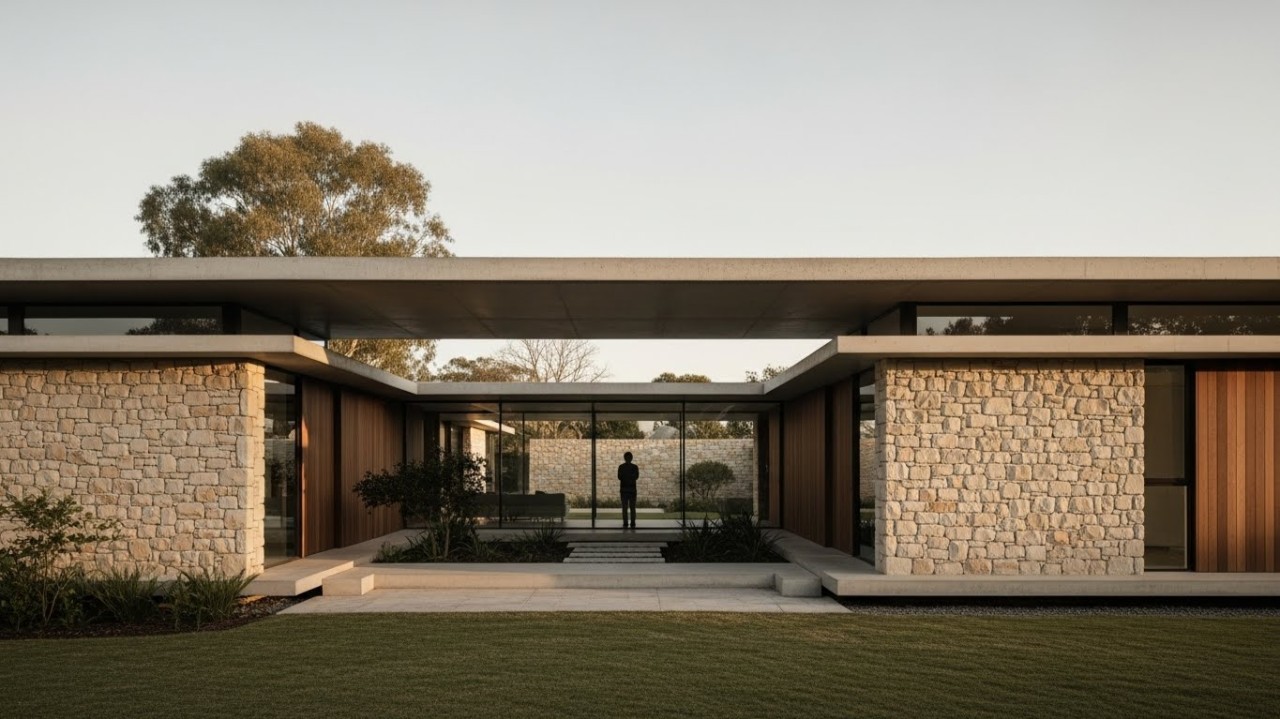
Luxury apartments don’t just sell space. They sell a feeling.
Before you sign the lease, before you move in, before you even sit on the sofa—your brain has already been convinced that you’ve made it. Not because of square footage or construction quality, but because of carefully engineered psychological cues embedded in architecture, interior design, and branding.
This isn’t accidental. It’s design—working directly on your identity.
1. Luxury Is Not About Comfort — It’s About Perception

Most people assume luxury apartments are designed to be more comfortable. In reality, many aren’t significantly more functional than mid-range housing.
What they are, however, is symbolically powerful.
Luxury design prioritizes:
- How a space makes you feel seen
- How it signals status to others
- How it reinforces self-image
The goal isn’t physical ease. The goal is psychological elevation.
2. The Arrival Ritual: Where the Illusion Begins

Your brain starts forming judgments before you even enter the apartment.
a) The Gate & Security Desk
Controlled access sends a subconscious message:
“This space is selective. Not everyone belongs here.”
Exclusivity triggers status validation, which activates reward centers in the brain.
b) The Lobby as a Stage
Luxury lobbies often resemble hotel lounges:
- Double-height ceilings
- Stone or marble finishes
- Warm ambient lighting
- Minimal furniture, carefully spaced
This creates temporal distortion—you feel like time slows down. Your nervous system shifts from “survival” to “arrival.”
You don’t feel rich. You feel recognized.
3. Ceiling Height: The Silent Confidence Booster

One of the most powerful psychological tools in luxury apartments is vertical space.
Higher ceilings are associated with:
- Freedom of thought
- Creative thinking
- Power and control
Research in environmental psychology shows that low ceilings encourage focus and constraint, while high ceilings promote abstraction and confidence.
That’s why:
- Bedrooms may be standard
- Living rooms are taller
Luxury apartments don’t raise ceilings everywhere—only where you perform identity.
4. Materials That Signal “You’ve Leveled Up”

Luxury apartments rely heavily on cold, refined materials:
- Stone
- Concrete
- Glass
- Metal accents
These materials feel:
- Durable
- Permanent
- Serious
Your brain associates them with institutions of power—banks, museums, corporate headquarters.
Even if the apartment is rented, your nervous system reads:
“I am in a place built to last.”
Which subtly translates to:
“I must be doing something right.”
5. Minimalism That Frames You as the Feature

Luxury interiors are often intentionally restrained:
- Neutral color palettes
- Minimal decor
- Clean geometry
This emptiness isn’t laziness—it’s strategy.
When a space lacks visual noise, the occupant becomes the focal point.
You don’t feel surrounded by stuff. You feel centered, curated, intentional.
It’s the same logic used in high-end fashion stores:
Fewer items = higher perceived value
6. Lighting That Flatters Your Life

Luxury apartments are lit like photography studios.
Key strategies:
- Warm indirect lighting (never harsh white)
- Cove lighting that removes shadows
- Floor-to-ceiling windows for soft daylight
This lighting:
- Makes skin tones look better
- Softens imperfections
- Creates Instagram-ready moments
Your brain interprets this as:
“My life looks good.”
Not because it changed— but because it’s lit differently.
7. Amenities That Replace Personal Achievement

Gyms, pools, lounges, co-working spaces, rooftop gardens—many residents barely use them.
But that’s not their purpose.
Amenities exist to:
- Signal ambition
- Externalize success
- Reduce internal pressure
You don’t need to achieve more if your environment already reflects achievement.
This can be motivating—or dangerously comforting.
8. The Branding Language of Success

Luxury apartments rarely describe what they are.
They describe who you become:
- “Elevated living”
- “Designed for achievers”
- “Where ambition lives”
This language merges space with identity.
You’re not renting walls. You’re renting a version of yourself.
9. The Hidden Trade-Off

Here’s the uncomfortable truth:
Luxury apartments can simulate progress.
They can:
- Make you feel accomplished without growth
- Replace purpose with polish
- Confuse appearance with direction
The danger isn’t living well. The danger is mistaking aesthetic success for actual fulfillment.
10. The Real Question to Ask

Luxury design is powerful. It shapes behavior, confidence, and self-perception.
So the real question isn’t: “Is this apartment worth the price?”
It’s: “Does this space support who I’m becoming—or distract me from becoming more?”
Because architecture doesn’t just house your life.
It teaches you how to feel about it.
Luxury apartments don’t lie to you. They simply speak a language your brain is wired to believe.
Understanding that language gives you power:
- To choose consciously
- To separate identity from environment
- To design success that lasts beyond walls