Designing a home is one of the most exciting yet complex journeys for any homeowner. From selecting layouts to finalising materials, every decision plays a crucial role in shaping your dream space. This is where architectural renderings come into play—bridging the gap between imagination and reality.
Architectural renderings are not just visuals; they are powerful tools that help homeowners understand, refine, and perfect their home design before construction even begins.
What Are Architectural Renderings?
Architectural renderings are visual representations of a building design, created using advanced digital tools or traditional techniques. These visuals can range from simple sketches to highly realistic 3D images.
They allow homeowners to see how their future home will look in terms of:
- Layout and structure
- Materials and finishes
- Lighting and ambiance
- Furniture placement and décor
Modern 3D renderings provide highly detailed and realistic visuals, helping homeowners experience their space before it is built.
Why Architectural Renderings Are Important for Homeowners
1. Better Visualisation

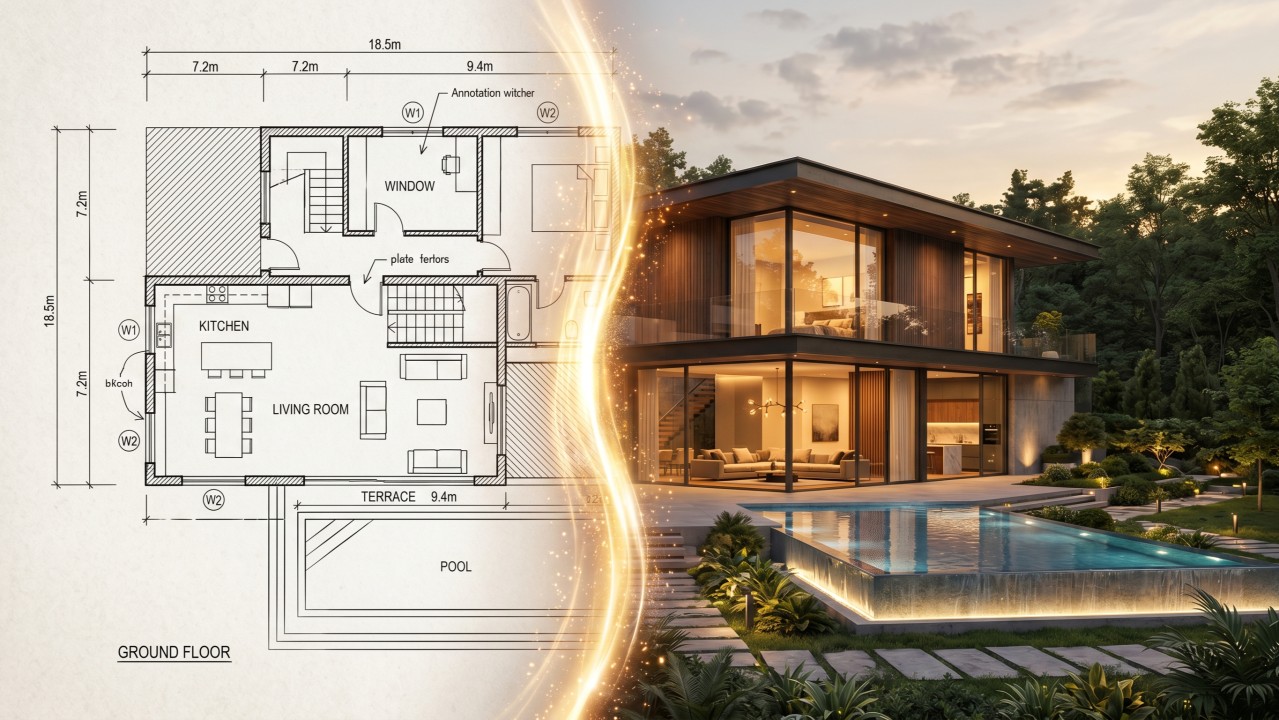
One of the biggest challenges homeowners face is understanding architectural drawings. Renderings simplify this by converting technical plans into easy-to-understand visuals.
Instead of imagining spaces from blueprints, you can actually see your home.
2. Improved Decision-Making

Renderings allow you to experiment with:
- Wall colours
- Flooring materials
- Furniture layouts
- Lighting styles
This helps you make confident decisions and avoid costly changes during construction.
3. Early Error Detection

Mistakes in design can be expensive if discovered late. Architectural renderings help identify:
- Space planning issues
- Design inconsistencies
- Functional problems
Fixing these early saves both time and money.
4. Clear Communication with Architects

Renderings act as a common language between homeowners, architects, and designers. They ensure:
- Everyone is aligned with the vision
- Misunderstandings are reduced
- Execution becomes smoother
5. Cost Efficiency

By finalising design details in advance, renderings reduce:
- Material wastage
- Rework costs
- Project delays
Types of Architectural Renderings
Different types of renderings serve different purposes in the design process.
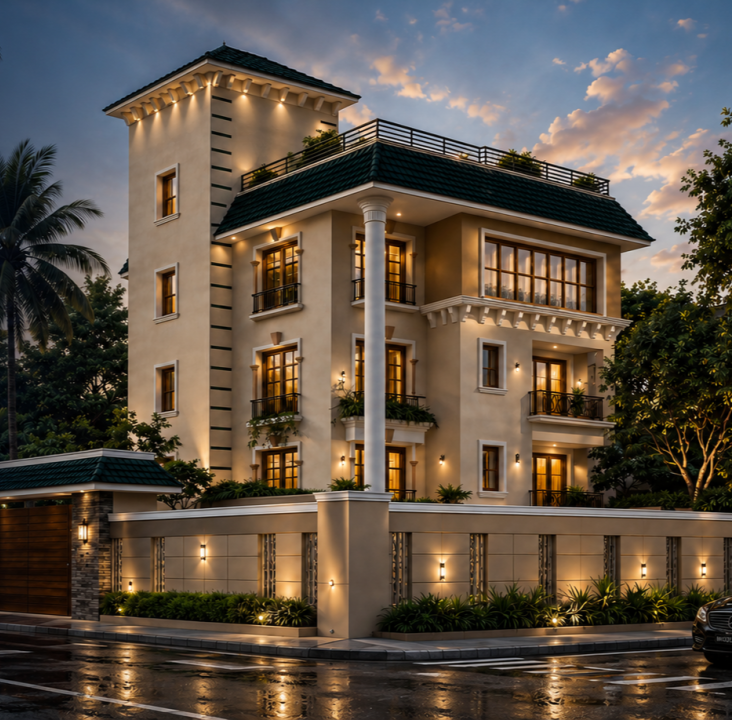
1. Exterior Renderings
These focus on the outside appearance of your home, including:
- Facade design
- Landscaping
- Surroundings
They help you understand how your home will look in its environment.
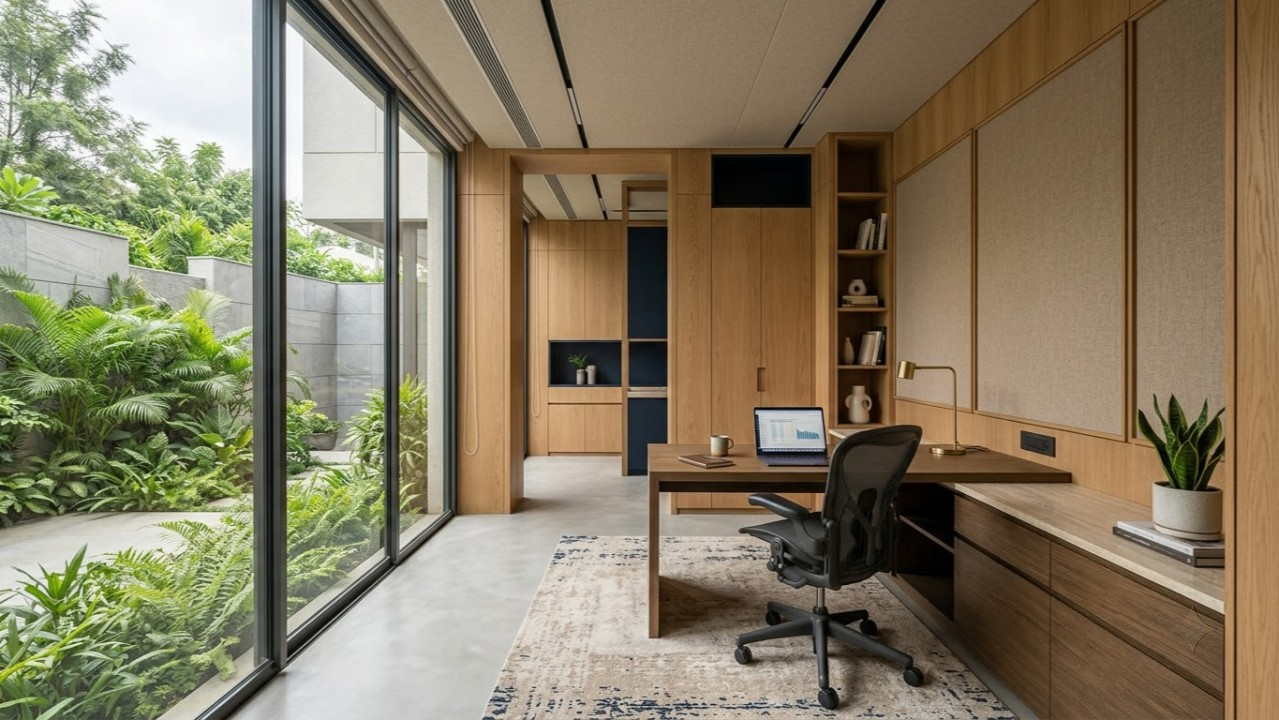
2. Interior Renderings
Interior renderings showcase:
- Room layouts
- Furniture placement
- Lighting effects
- Colour schemes
They give a realistic feel of living inside the space.
3. 3D Floor Plans
These provide a top-down view of your home with added depth and realism, making it easier to understand spatial relationships.
4. Walkthroughs and Animations
These are immersive experiences where you can:
- Virtually walk through your home
- Explore rooms in real-time
- Understand flow and movement
This creates a near real-life experience of your future home.
Key Elements of a Good Architectural Rendering
Not all renderings are equal. High-quality renderings include:
1. Realistic Lighting
Lighting plays a major role in making visuals look natural and lifelike.
2. Accurate Textures
Materials like wood, glass, and stone should appear realistic and detailed.
3. Proper Scale and Proportion
Everything—from furniture to walls—must be proportionally accurate.
4. Environmental Context
Adding surroundings like trees, roads, and sky enhances realism and helps understand the setting.
Benefits of 3D Architectural Renderings
With advancements in technology, 3D renderings have become a game-changer.
1. Real-Life Experience Before Construction
You can explore your home virtually and understand how spaces will feel.
2. Flexibility in Design Changes
Want to change the wall colour or flooring? It can be done instantly in the rendering.
3. Enhanced Creativity
Designers can experiment with multiple styles and concepts effortlessly.
4. Better Space Utilisation
Renderings help optimise every inch of space, especially in compact homes.
How to Use Architectural Renderings Effectively
To get the most out of renderings, homeowners should:
- Share clear requirements with the designer
- Review multiple design options
- Focus on both aesthetics and functionality
- Ask for revisions before finalising
The more involved you are in the process, the better the outcome.
Common Mistakes to Avoid
Even with renderings, homeowners can make mistakes if not careful:
- Ignoring practical aspects like ventilation and lighting
- Focusing only on aesthetics
- Not reviewing designs in detail
- Skipping multiple iterations
Renderings are only effective when used thoughtfully.
Future of Architectural Renderings
With evolving technology, renderings are becoming even more advanced through:
- Virtual Reality (VR)
- Augmented Reality (AR)
- AI-based design tools
These innovations will make home design more interactive and precise than ever before.
Architectural renderings have transformed the way homeowners design and build their homes. They eliminate guesswork, improve communication, and ensure that your vision is accurately translated into reality.
Whether you’re building a new home or renovating an existing one, investing in high-quality renderings can make the entire process smoother, smarter, and more satisfying.
In simple terms, if you can see it clearly, you can build it confidently.